MAISON DE VERRE
- Pierre Chareau, Bernard Bijvoet, and Louis Dalbet
31 Rue St-Guillaume, Paris, France
Pierre Chareau was a distinguished French furniture and interior designer who by the mid 1920s had joined the prestigious Société des Artistes Décorateurs. In 1929, he cofounded the Union des Artistes Modernes with peers including Robert Mallet-Stevens, befriending influential artists like Max Ernst, Joan Miró, and Pablo Picasso.
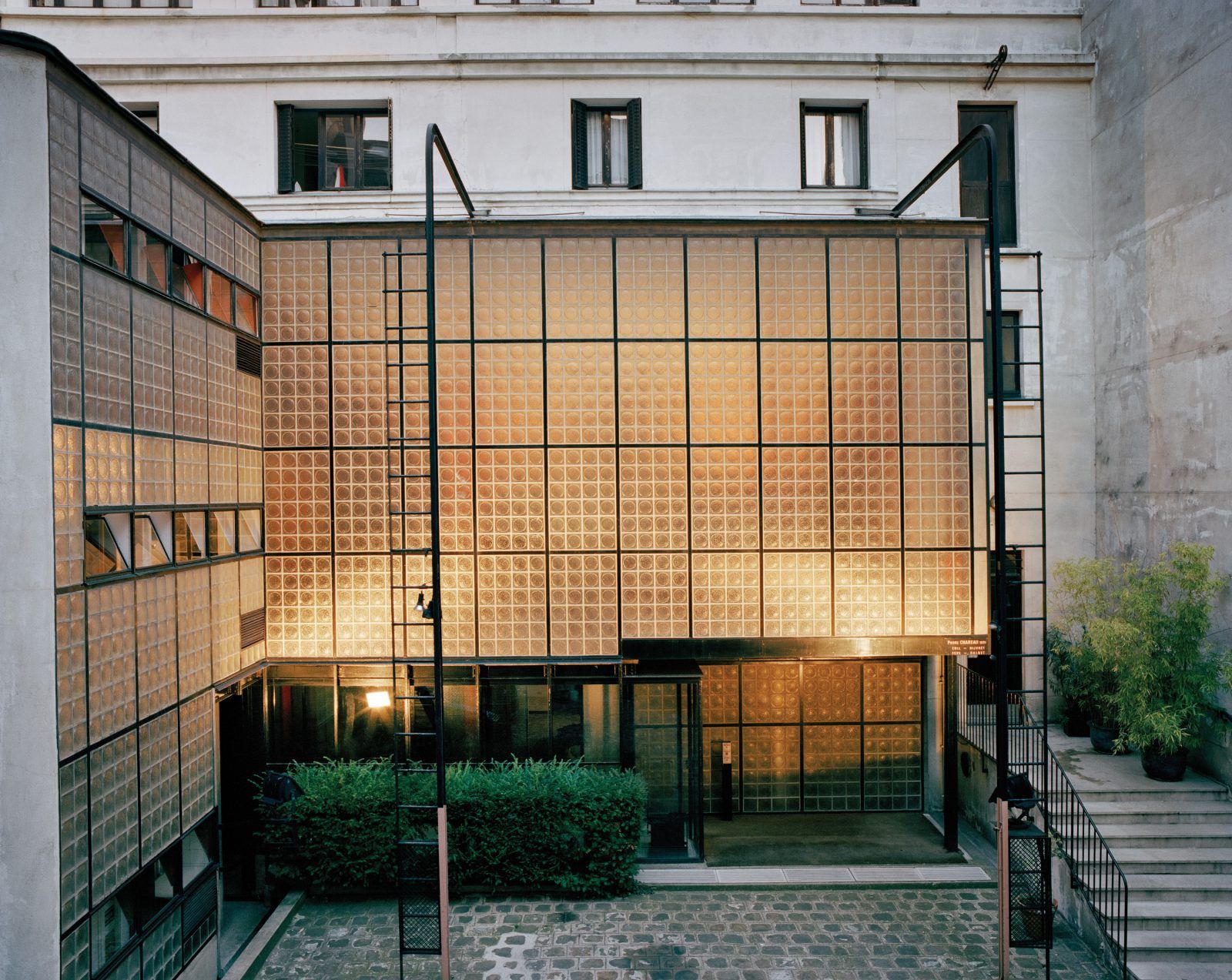
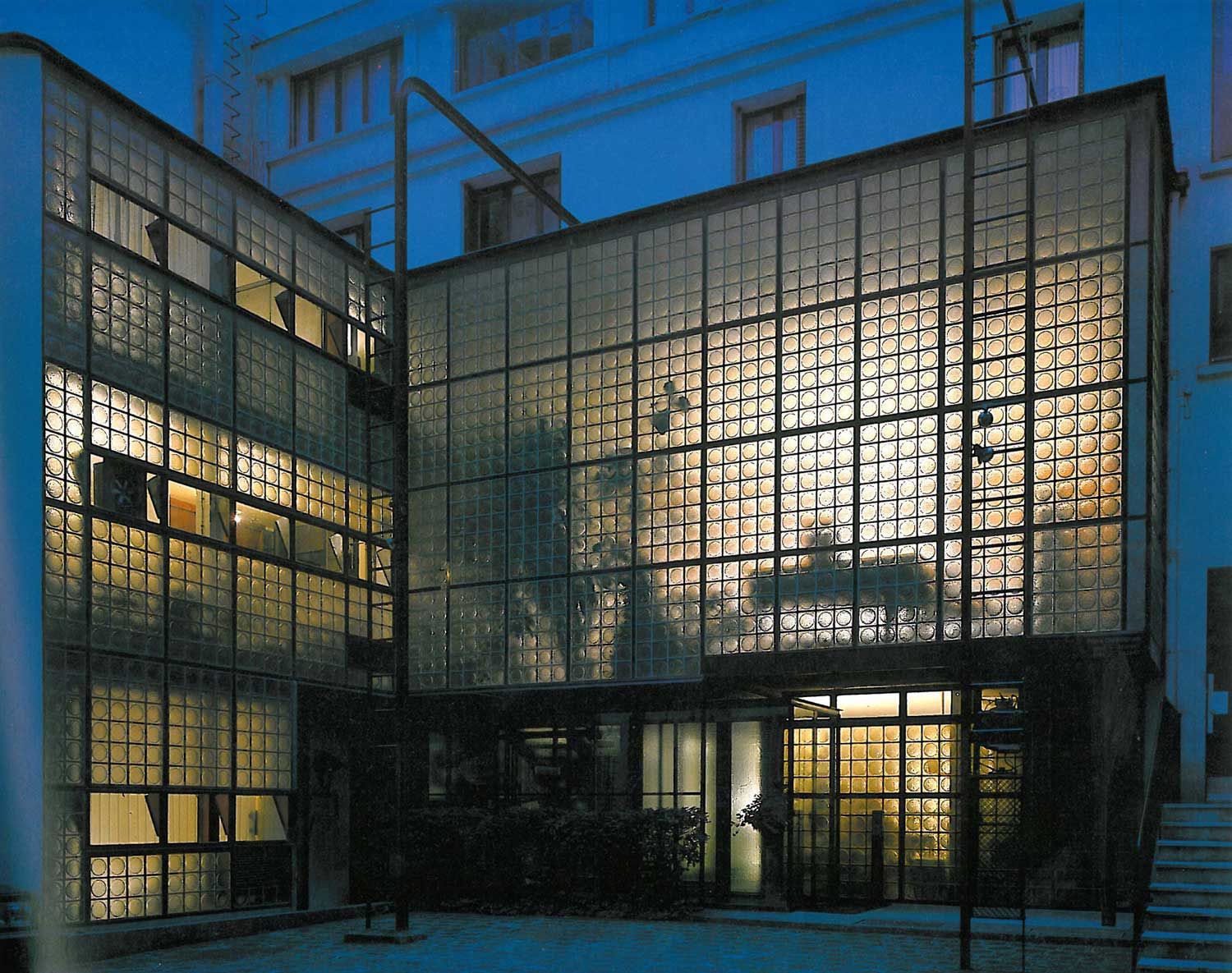
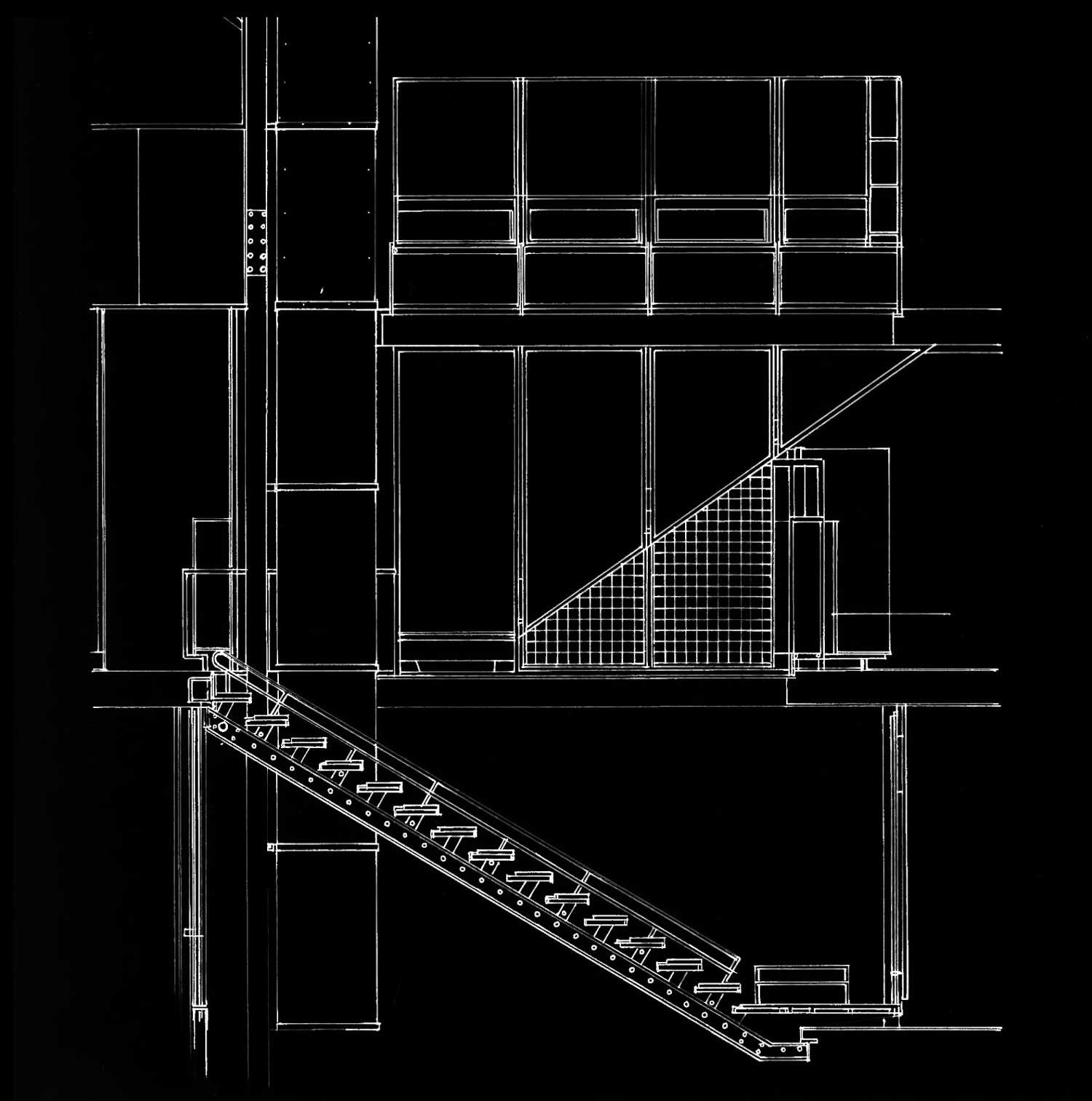
Maison de Verre was commissioned by Dr. Jean Dalsace and his wife Annie, who had purchased an 18th century building in Paris's Latin Quarter. They planned to demolish it entirely, but the elderly tenant on the top floor absolutely refused to sell. This created a challenge: Chareau, working with Dutch architect Bernard Bijvoet and craftsman metalworker Louis Dalbet, had to construct an entirely new house underneath the existing apartment.
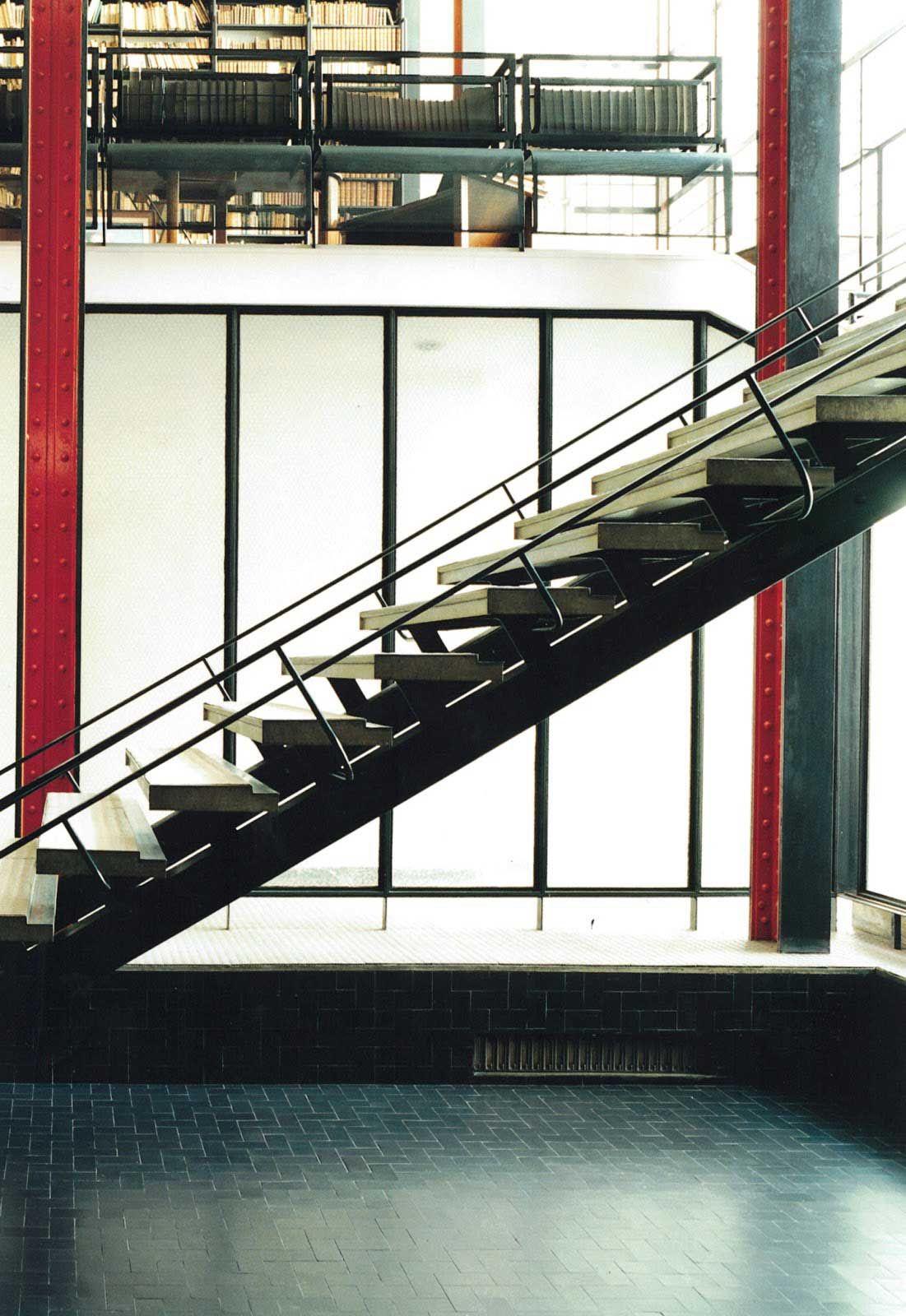
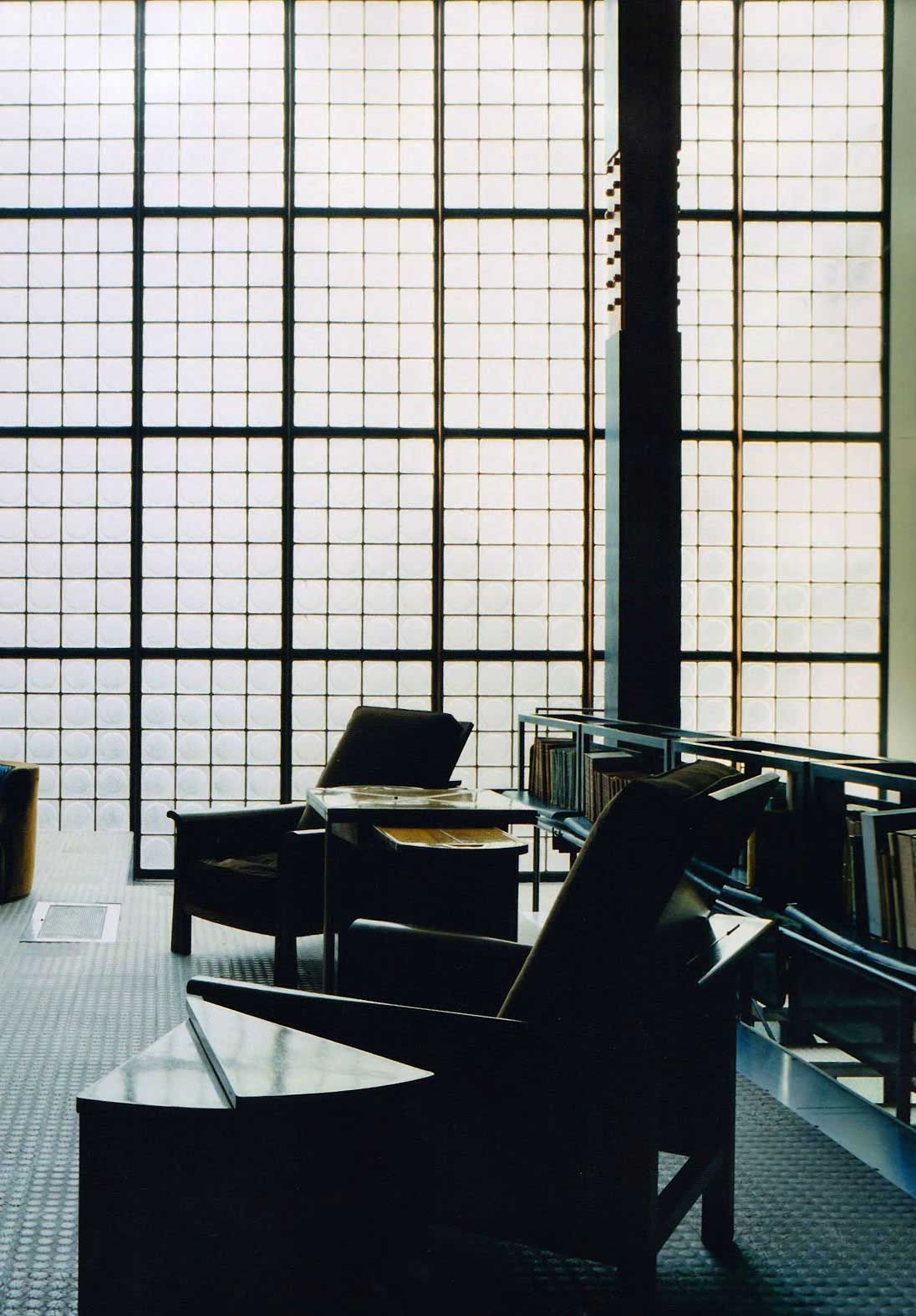
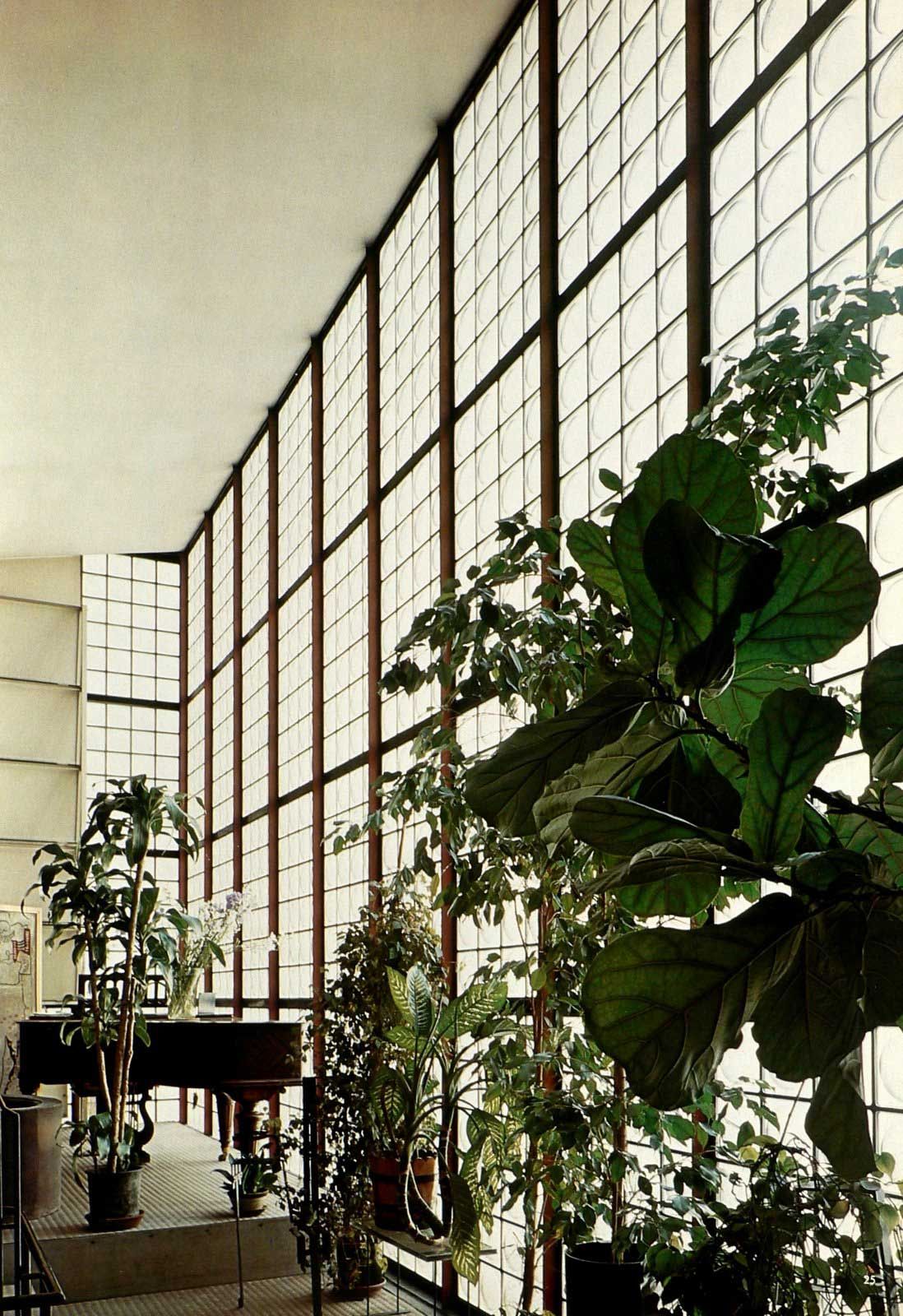
Built between 1928 and 1932, Maison de Verre translates to House of Glass. It was the first house constructed in France from glass and steel, built during the brief period between the two world wars at the peak of classical Modernism. The facade is made of translucent glass blocks supported by a steel frame.
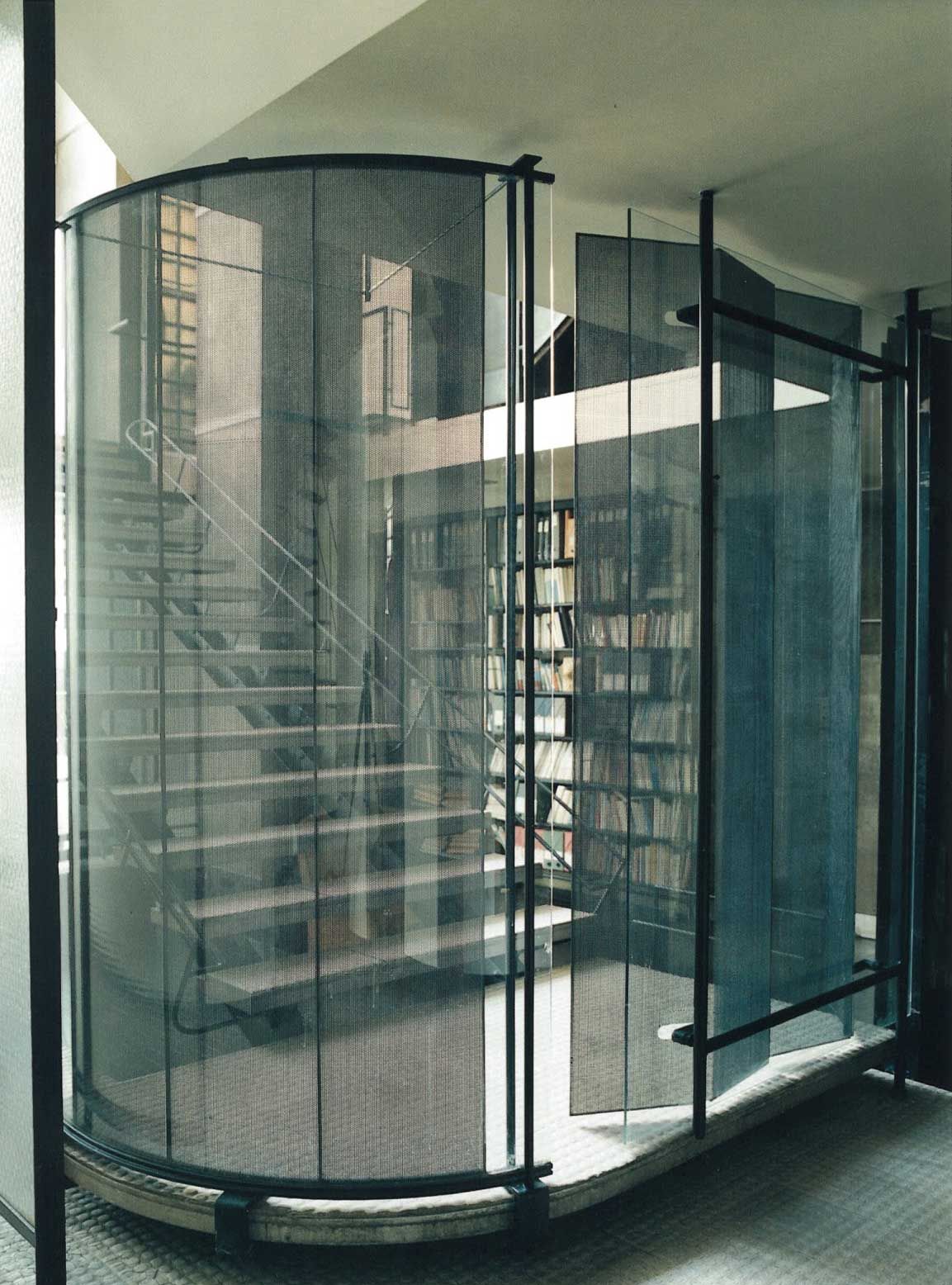
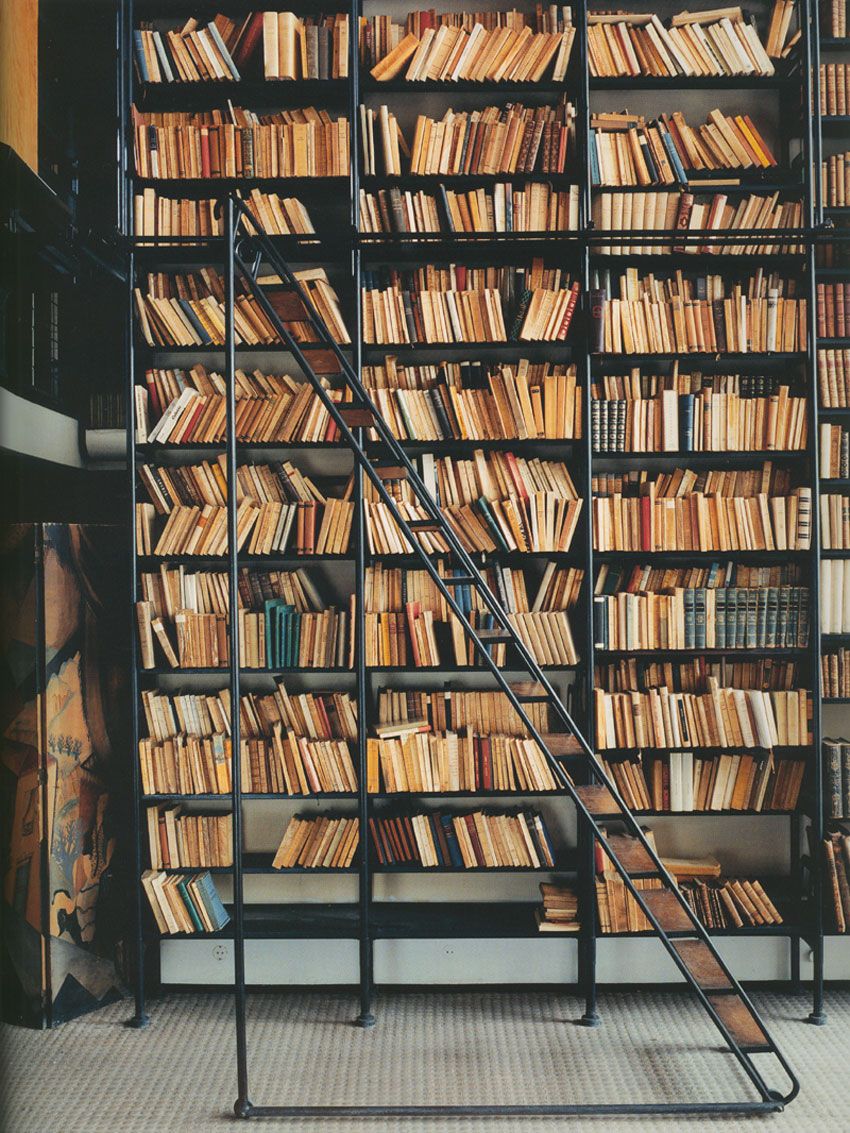
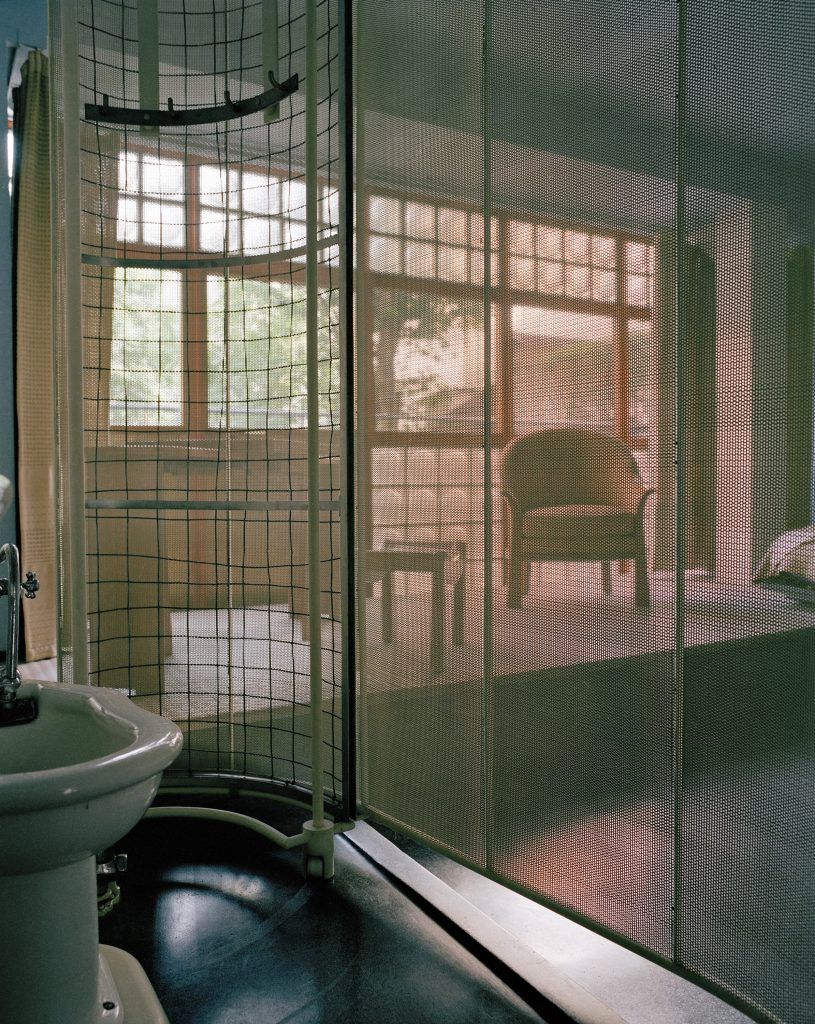
The ground floor housed Dr. Dalsace's gynecological practice, with a rotating screen hiding the stairs to the private apartment during the day. Chareau designed all the furniture and lighting fixtures himself, incorporating mechanized trolleys, retracting stairs, and rotating panels. Physical boundaries were blurred by movable screens in glass and perforated metal. In the mid 1930s, the living room became a salon frequented by Marxist intellectuals like Walter Benjamin and Surrealist artists including Louis Aragon, Paul Éluard, Jean Cocteau, and Max Jacob. When the Nazis came to France, the Dalsaces had to flee.
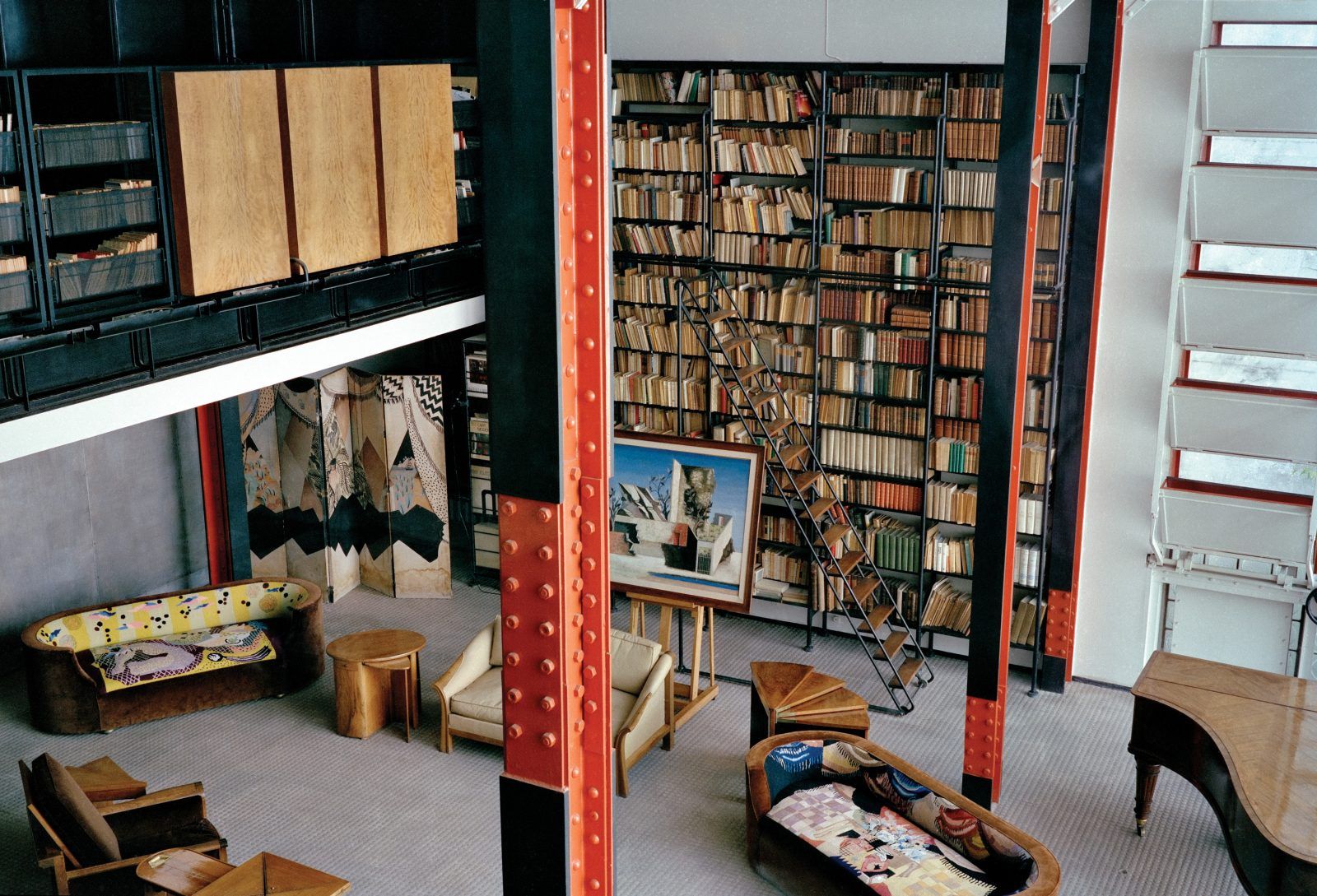
In the 1980s, Dalsace's daughter considered selling to the French government hoping they would make it a national landmark, but they declined. In 2006, American architectural historian Robert Rubin purchased and meticulously restored the house. He now lives there, allowing limited tours for students and professionals working in architecture or related fields.