ISAMU NOGUCHI GARDEN MUSEUM
- Isamu Noguchi
3519 Mure, Mure-cho, Takamatsu City, Kagawa Prefecture, 761-0121
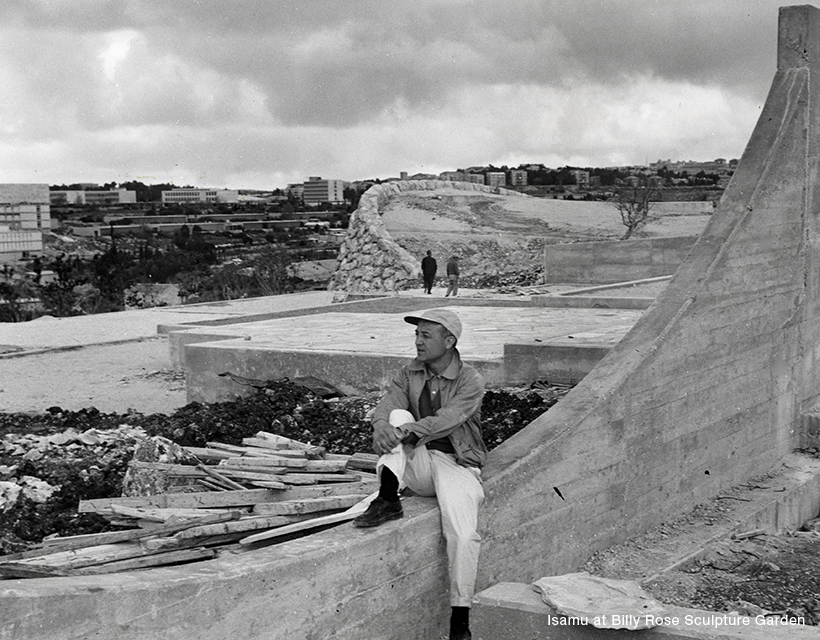
Isamu Noguchi first visited the Japanese island of Shikoku in 1956, searching for stones for his garden at the UNESCO Headquarters in Paris. The small stone-carving village of Mure, famous for its granite masonry, would become his spiritual home for the last two decades of his life.
When Noguchi returned to Shikoku in 1964 looking for a craftsman to work with him on the monumental granite sculpture Black Sun for the Seattle Art Museum, he was referred to a young stonecutter named Masatoshi Izumi. Born in Mure in 1938 from a lineage of stonecutters and masons, Izumi had begun as an apprentice at age fifteen and loved stone. Noguchi was drawn to him because he had never studied at art school, spoke no English, and possessed an intuitive understanding of stone that extended beyond technical skills.
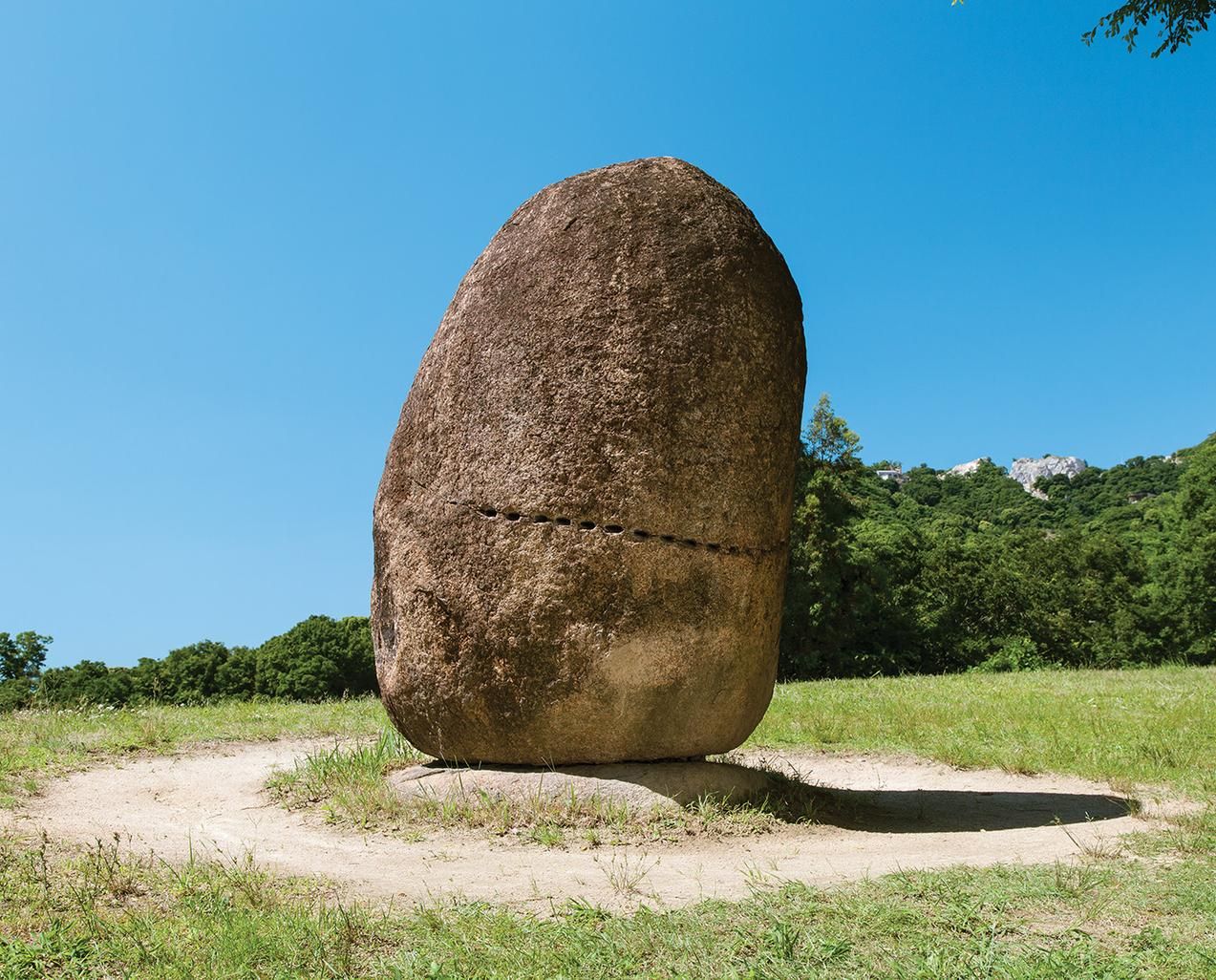
By 1969, Izumi had built a studio compound for Noguchi in Mure, and the sculptor began working there for about six months each year, traveling back and forth between New York and Japan. Their collaboration would last until Noguchi's death in 1988. Together, they developed an improvisatory working method, with Izumi managing both large-scale commissioned works and the private works Noguchi made for his own pleasure. It was here that Noguchi carved the large granite and basalt sculptures that culminated his career.

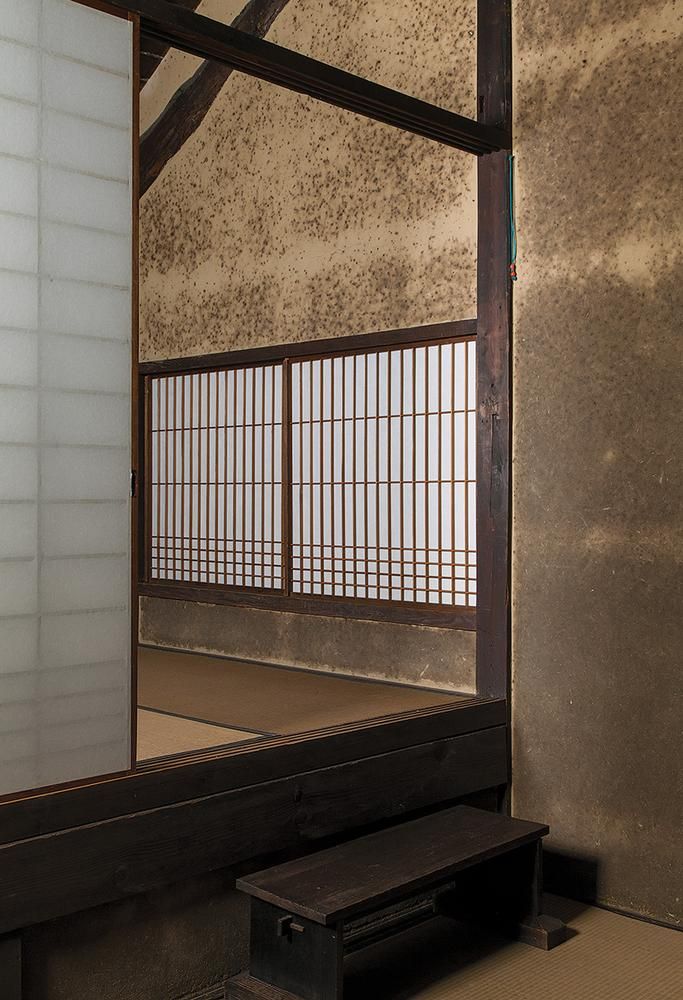
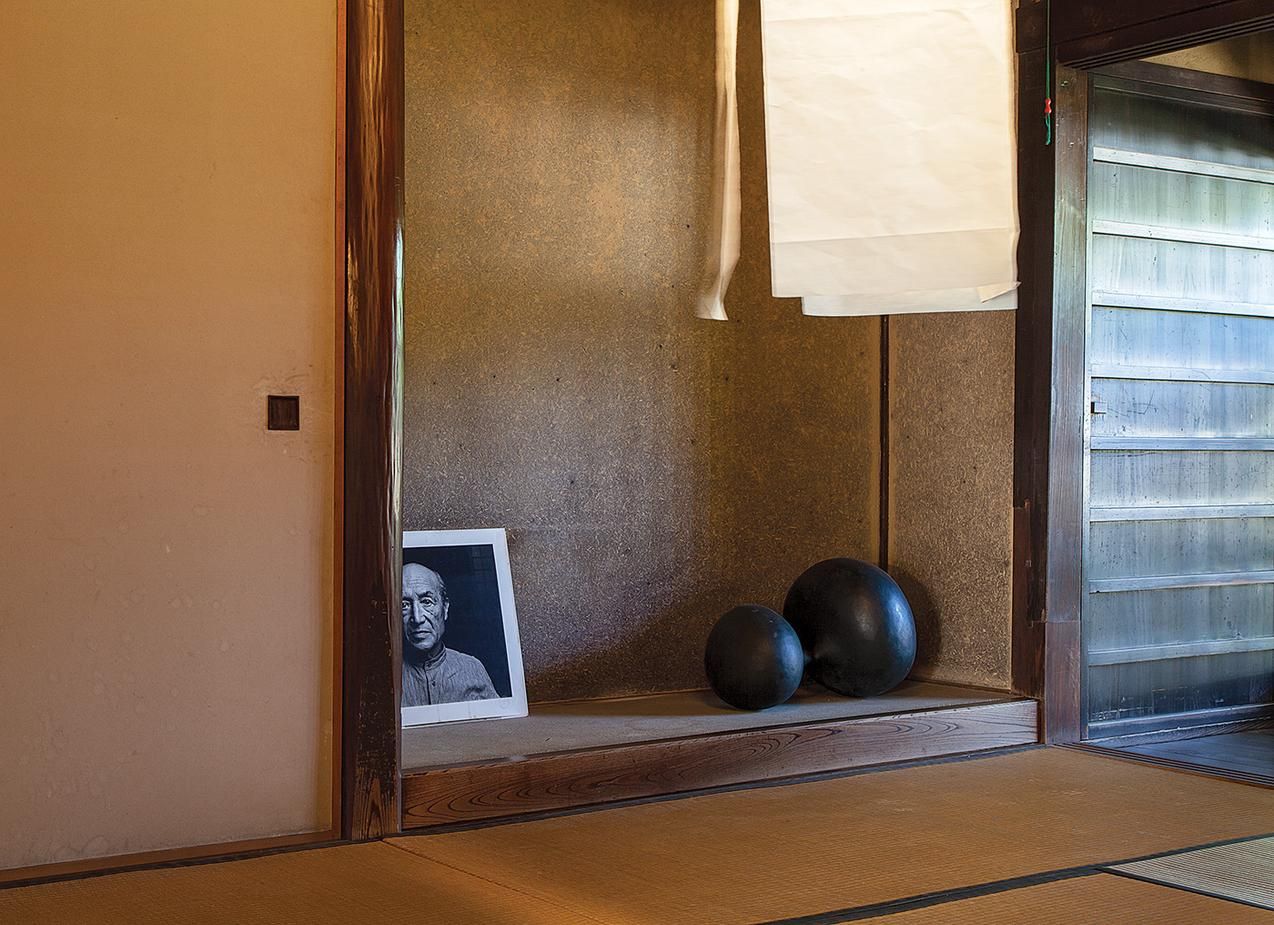
Noguchi's residence, named Isamu-ya, was a traditional Edo Period merchant house from Marugame that he had transported and rebuilt on the property, redesigning it to suit his taste while retaining traditional Japanese aesthetics. In 1982, he relocated a former sake warehouse from Ehime Prefecture and reconstructed it as an exhibition house called Tenji-kura. The largest sculpture on display, Energy Void, is a 3.6 meter tall sculpture of black Swedish granite that the building was built around.

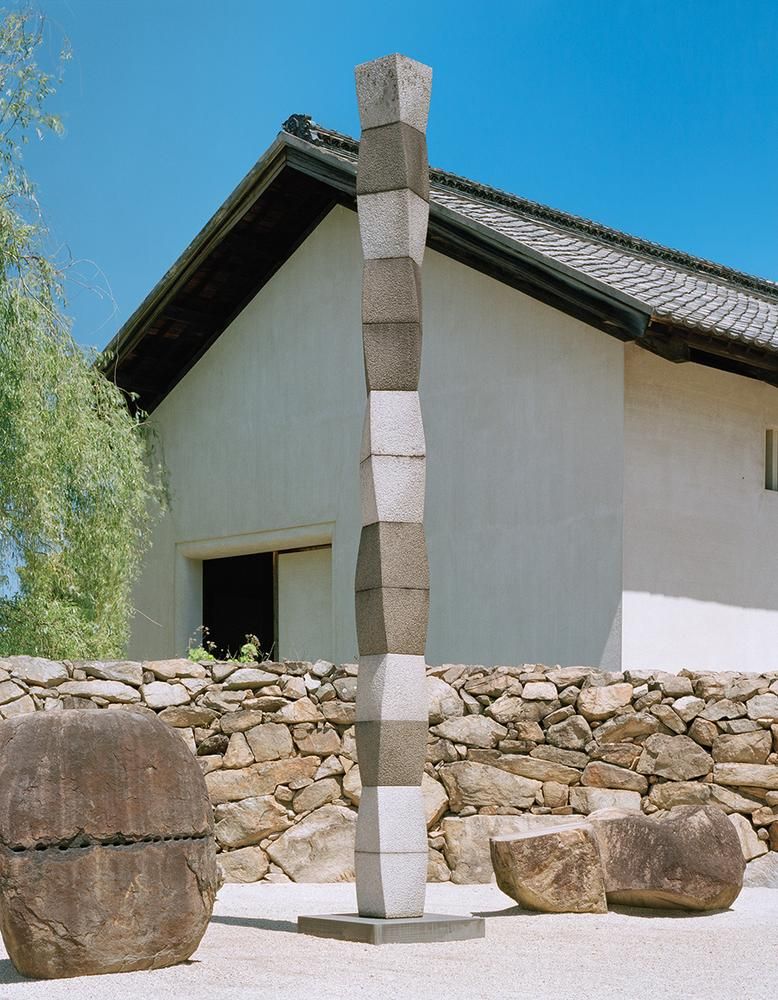
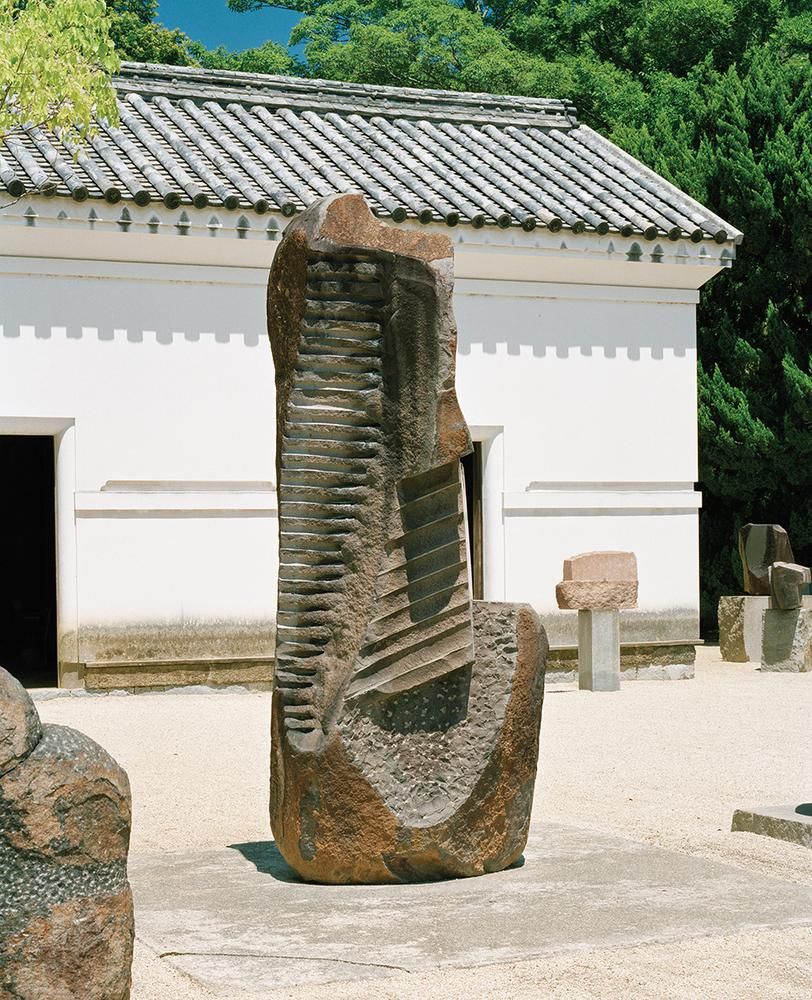
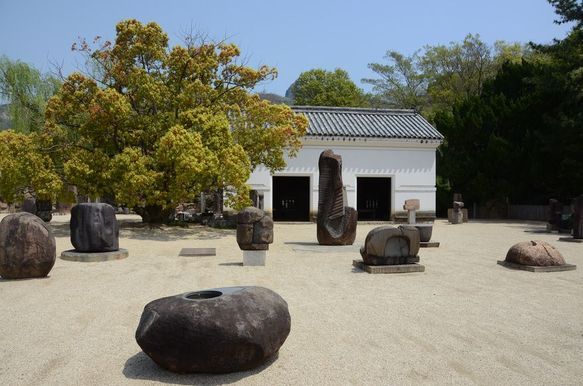
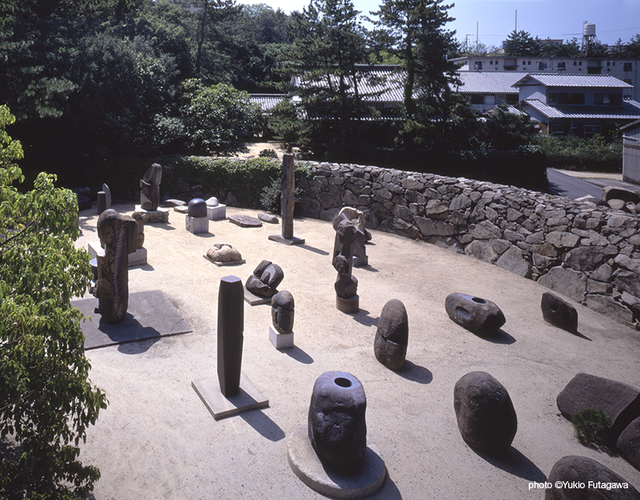
Noguchi also designed a sculpture garden for his 80th birthday, carving it from the earth itself. The upper garden features a rounded hill with views over Mure and the surrounding landscape. An undulating dry stone wall, varying in height between 1.2 and 2.1 meters, defines the studio area. The yard contains almost 150 stone sculptures, many of which remain unfinished.
After Noguchi's death, Izumi and his family worked to fulfill his wish that the studio serve as inspiration for future artists and scholars. The Isamu Noguchi Garden Museum Japan opened in 1999, with Izumi serving as devoted caretaker for the legacy of his friend and collaborator until Izumi's own death in 2021. His wife Harumi and daughter Mihoko Masuda continue the family's stewardship of the museum.