CRANBROOK ART MUSEUM
- Charles and Ray Eames
Bloomfield Hills, Michigan
The Cranbrook Academy of Art was founded in 1932 by Detroit newspaper magnate George Gough Booth and his wife Ellen Scripps Booth as an experiment in art education. The Booths had purchased the land in 1904, spending the first years landscaping the property and building their family home. After visiting the American Academy in Rome in the early 1920s, they were inspired by its master-apprentice model and began envisioning a similar school at Cranbrook, their 260 acre estate in Bloomfield Hills, about 20 miles north of Detroit.
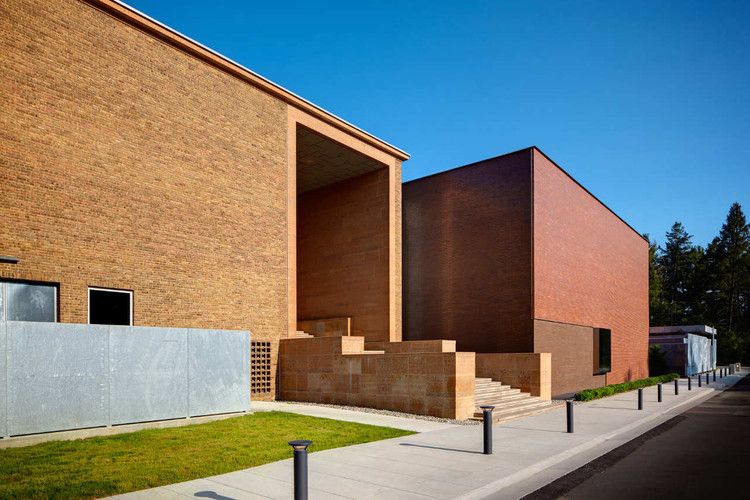
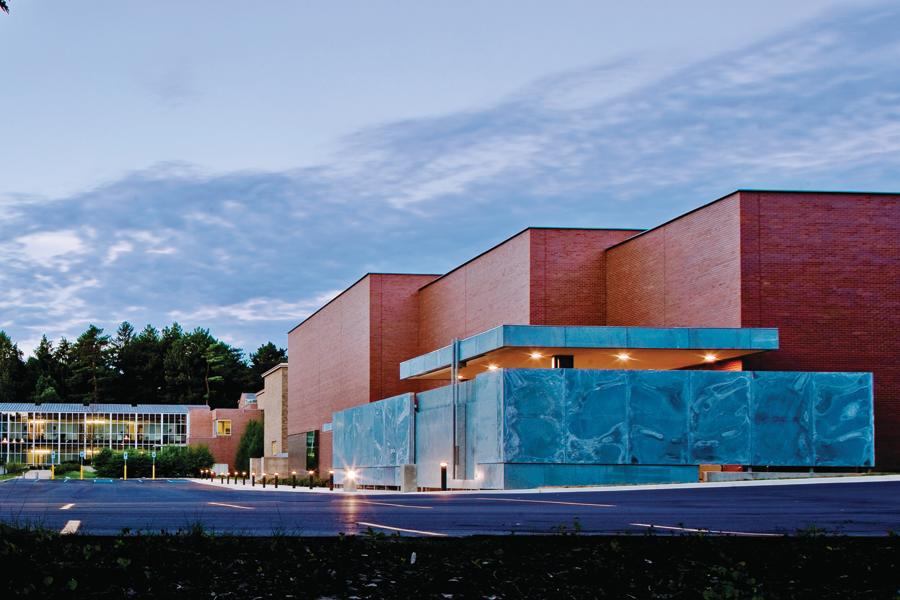
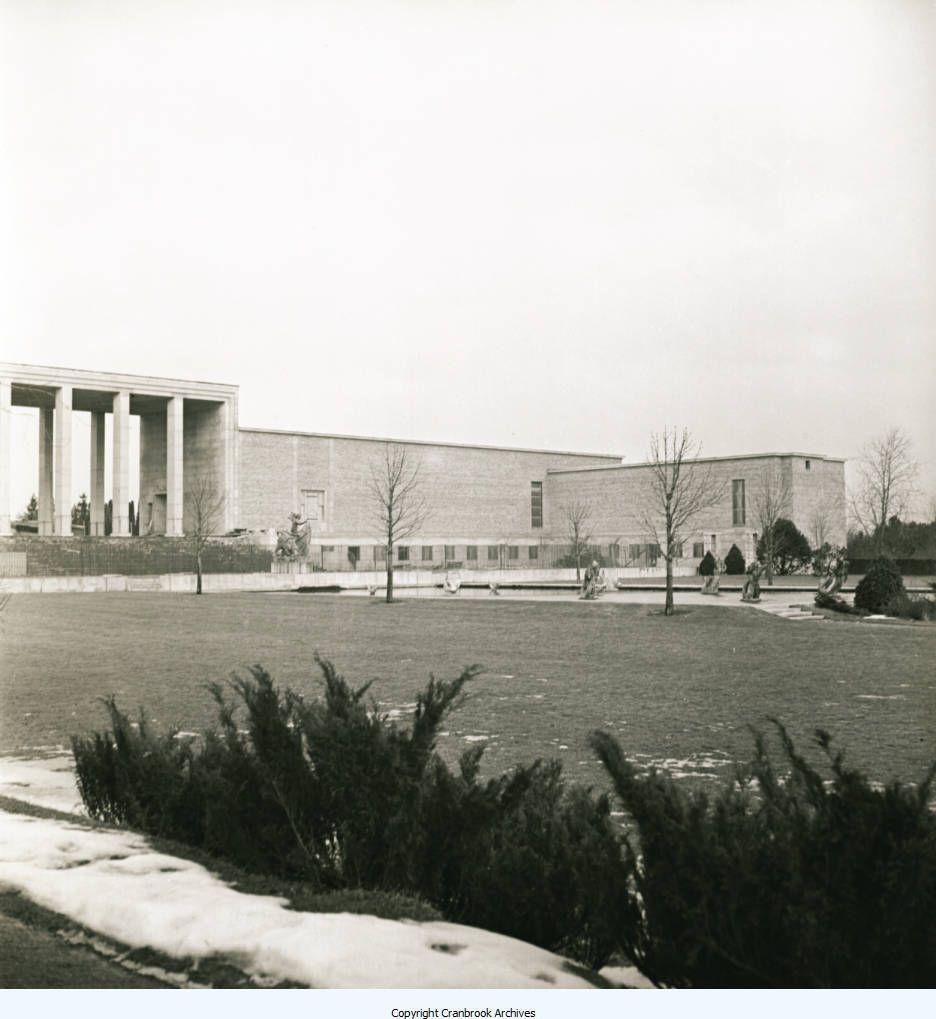
In 1923, Finnish architect Eliel Saarinen immigrated to the United States with his family after winning second place in the Chicago Tribune Tower Competition. The Booths engaged him as chief architect for the campus, and he ultimately designed nearly every building, including the Academy of Art and its museum and library, which he completed in 1942 as his last major project on campus. Saarinen also served as the Academy's first president from 1932 to 1946 and head of its architecture department until 1950.
The Academy's educational philosophy centered on self-education under good leadership rather than formal classes or requirements. Saarinen described it as not an art school in the ordinary meaning, but a working place for creative art where contact with other artists and discussions provided sources for inspiration. Students were encouraged to envision, create, and understand all aspects of design, from architecture to furniture to metalworking, and to engage freely in experimentation. This openness was shifted slightly in 1942 when Michigan chartered the Academy as an institution with the privilege of granting degrees.
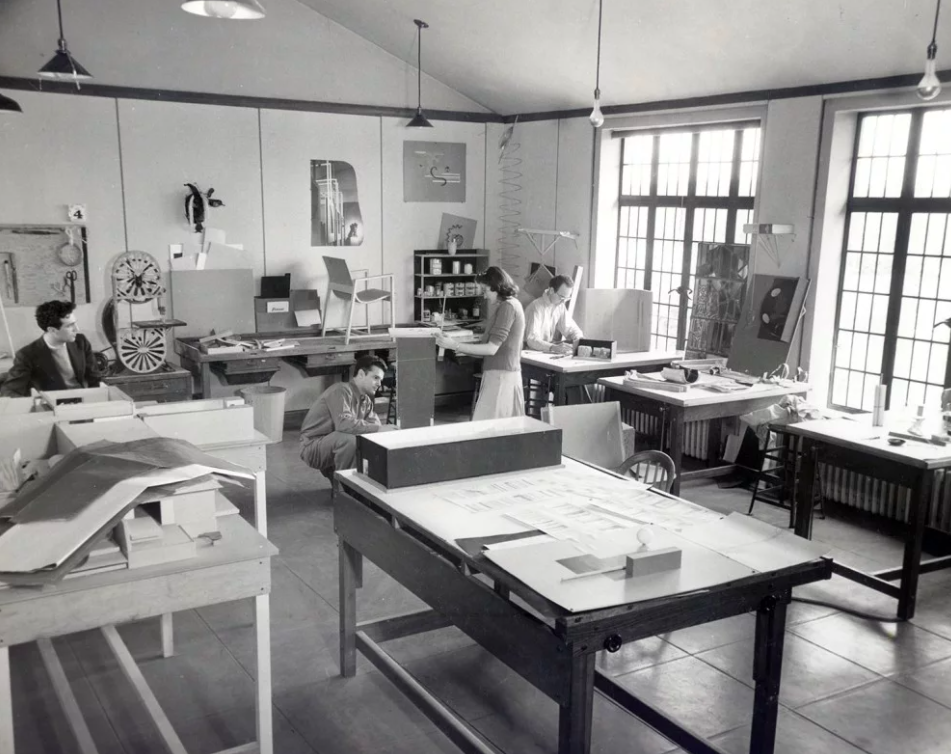
The academy attracted master artists-in-residence who maintained studios at Cranbrook. Saarinen's wife Loja founded and directed the Department of Weaving and Textile Design from 1929 to 1942. Swedish sculptor Carl Milles served as artist-in-residence in the sculpture department from 1931 to 1953. The roster of students and faculty reads like a who's who of American modernism, including Charles and Ray Eames, Florence Knoll, Harry Bertoia, Jack Lenor Larsen, and Eero Saarinen, Eliel's son.
Cranbrook had a particularly large impact on American modernism from 1937 to 1941, earning it nicknames like America's Bauhaus and the Cradle of American Modernism. The connection to the actual Bauhaus was direct: many faculty members, including Josef and Anni Albers, came from the German school after the Nazis shut it down in 1933.
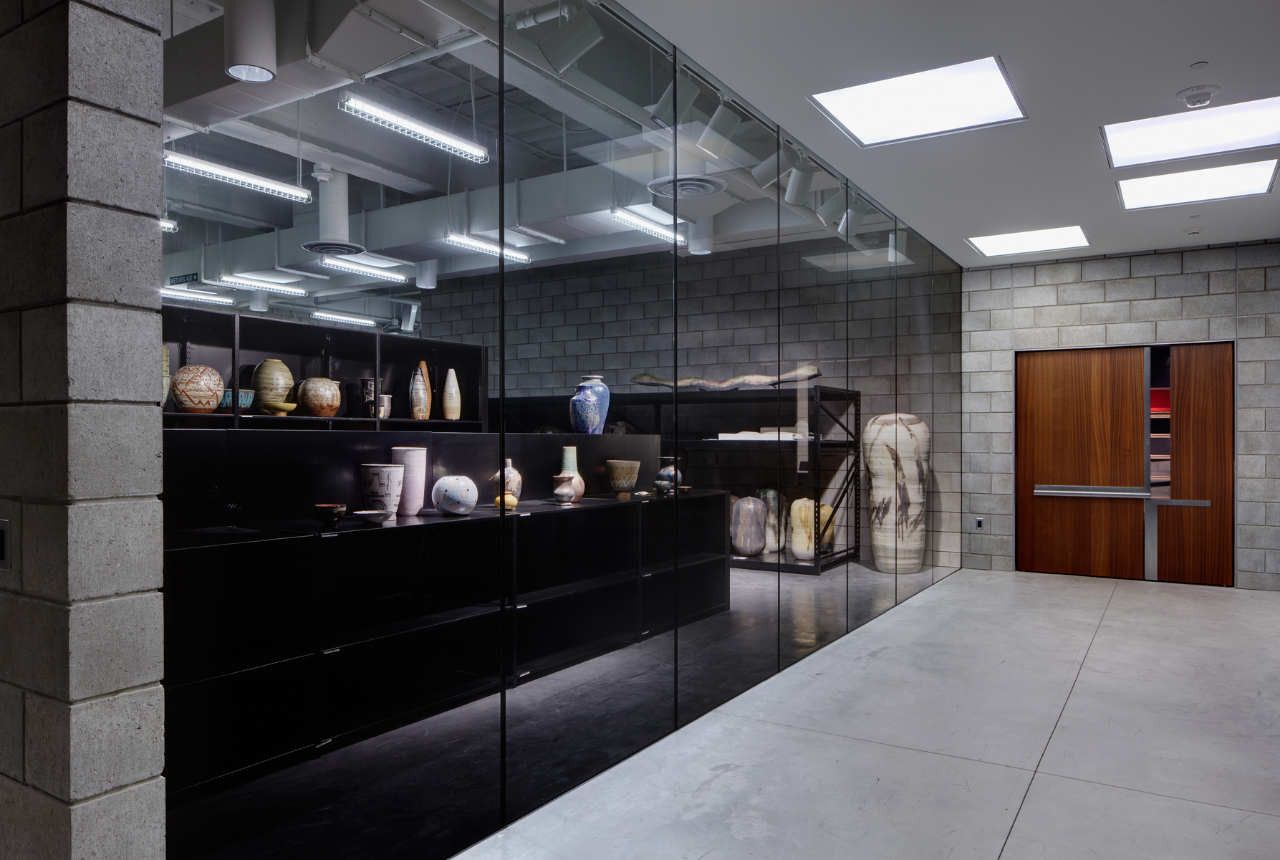
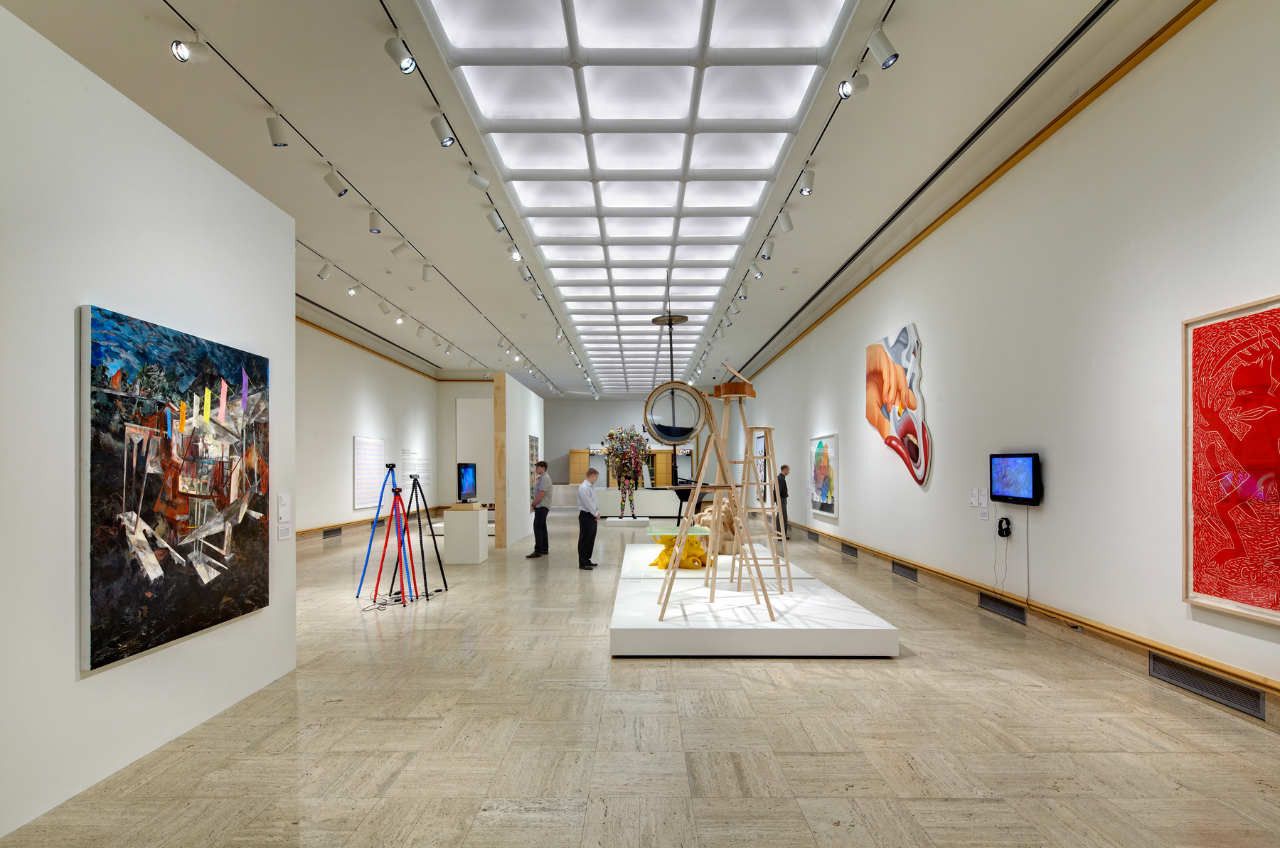
The Cranbrook Art Museum, designed by Eliel Saarinen and completed in 1942, remains the physical center of the Cranbrook Educational Community. The 319 acre campus is now a National Historic Landmark and includes not only the Academy and museum but also a contemporary science museum and a college-preparatory school.