BARBARA HEPWORTH HOME & STUDIO
- Barbara Hepworth
Barnoon Hill, St Ives, Cornwall TR26 1AD, England
Barbara Hepworth was born in Wakefield, Yorkshire in 1903 and became one of Britain's most important modern sculptors. She studied at Leeds School of Art from 1920 to 1921 alongside Henry Moore, and both continued their studies in sculpture at the Royal College of Art in London. By the 1930s, she had become a leading figure in the international modern art movement.
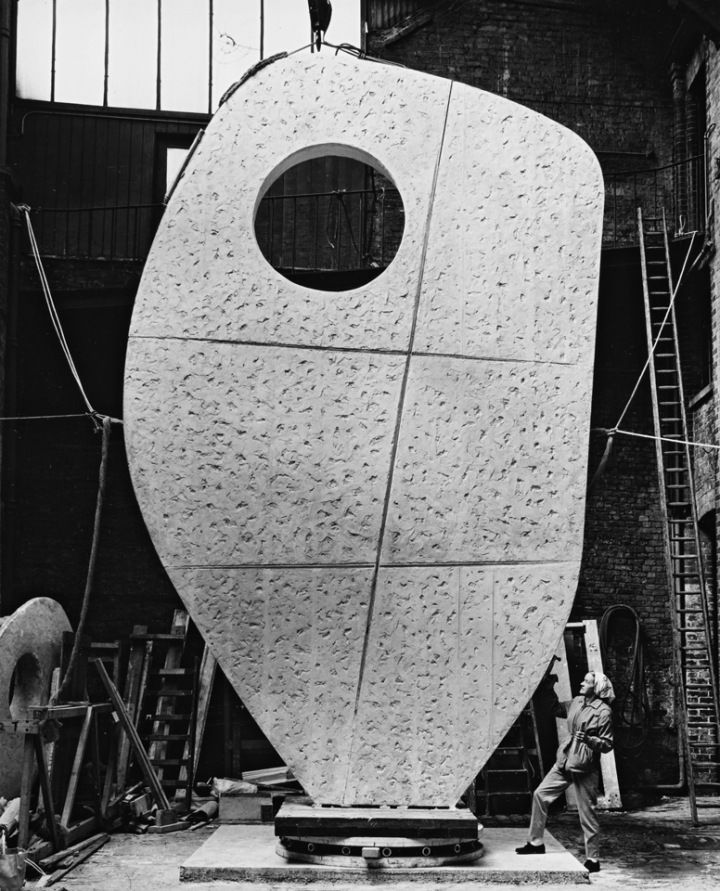
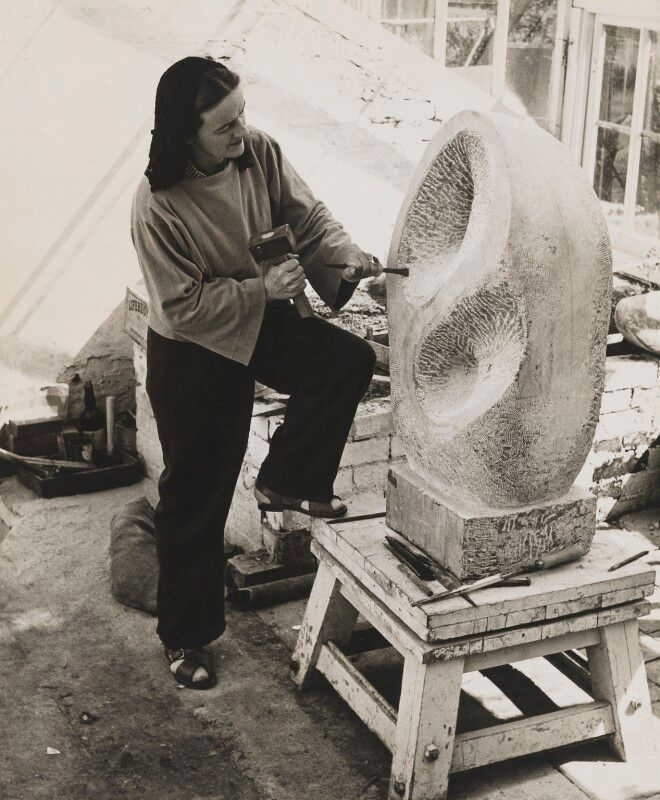
Hepworth worked directly with her materials, carving straight into stone, wood, bronze, and clay rather than using the traditional method of creating models for craftsmen to reproduce. Her work explored form, movement, and abstraction, focusing on relationships between shapes and spaces. A transformative trip to France in 1933 connected her with the era's most influential artists, including Picasso, Brâncuși, Jean Arp, and Mondrian, whose studios she visited and whose work profoundly shaped her artistic vision.
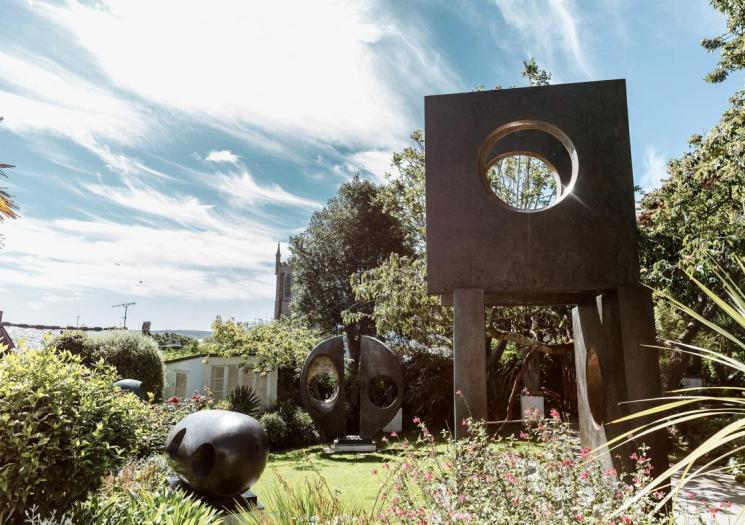
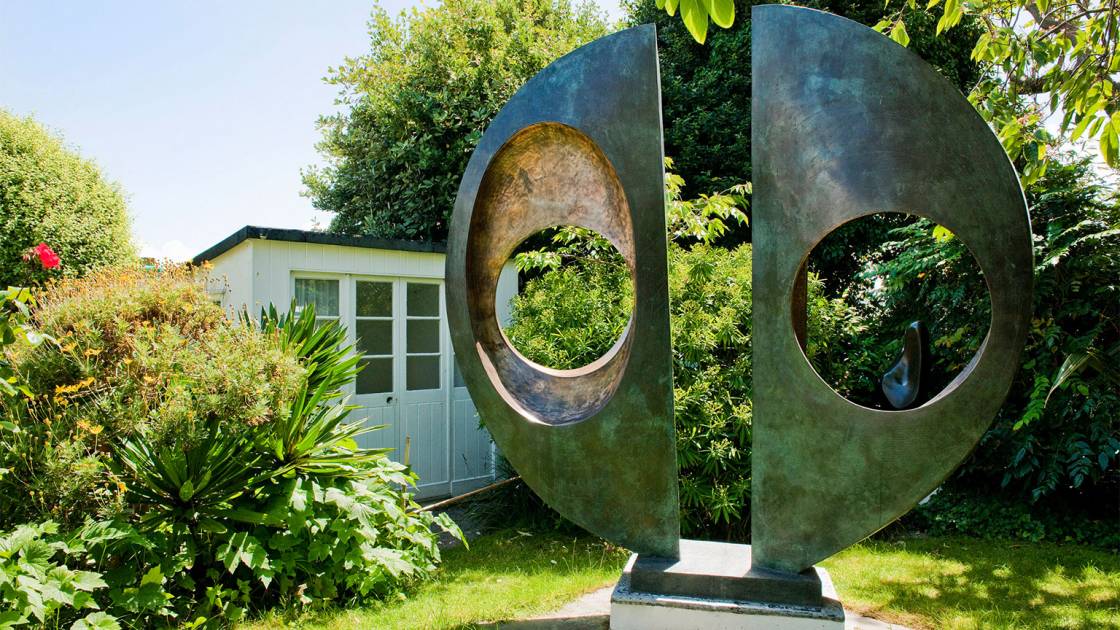
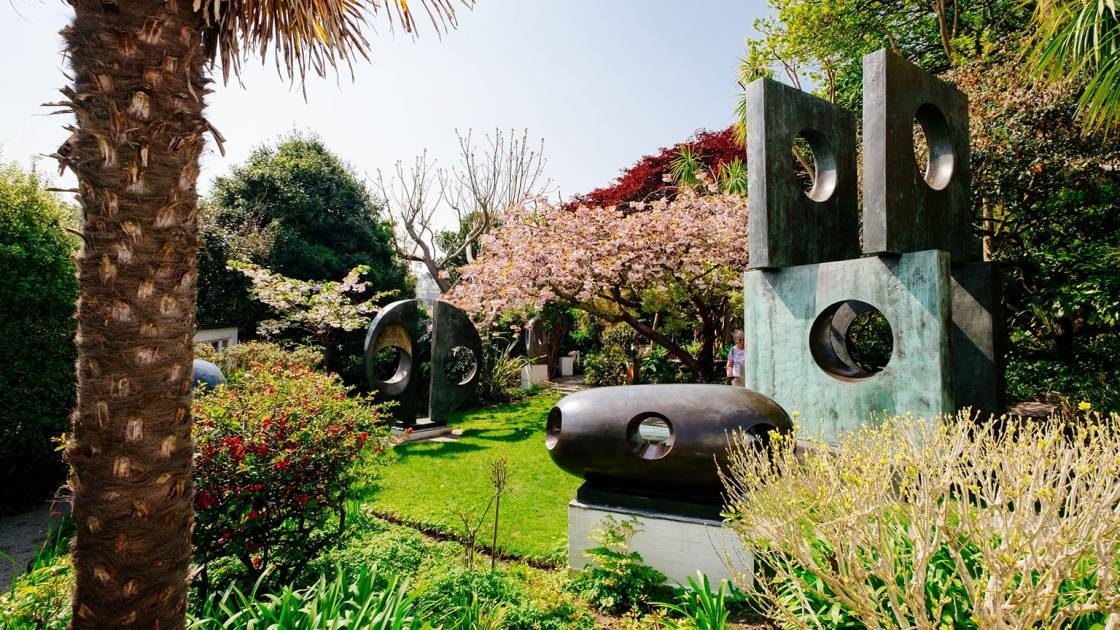
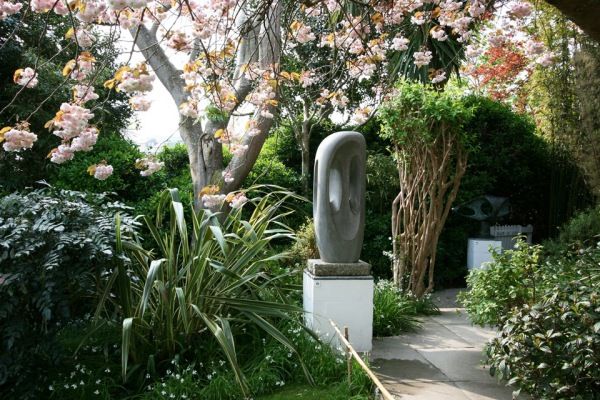
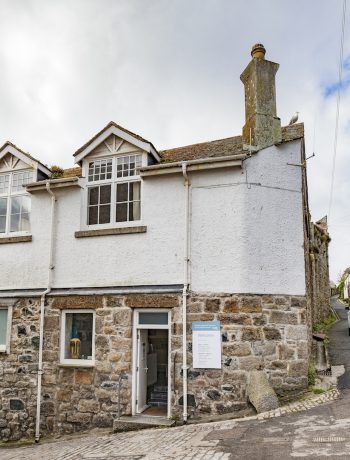
When the Second World War broke out in 1939, Hepworth and her husband Ben Nicholson moved their young family to the seaside town of St Ives in Cornwall. In 1949, she purchased Trewyn Studio, and it became both her home and creative sanctuary for the next 26 years. She described finding it as magical, a place where she could finally work in open air and space. She designed the garden herself with help from composer friend Priaulx Rainier, carefully placing her bronze sculptures among the plants and trees. In 1960, she acquired additional space across the street at the Palais de Danse, a former cinema and dance hall, allowing her to create the large-scale bronzes that defined her later work.
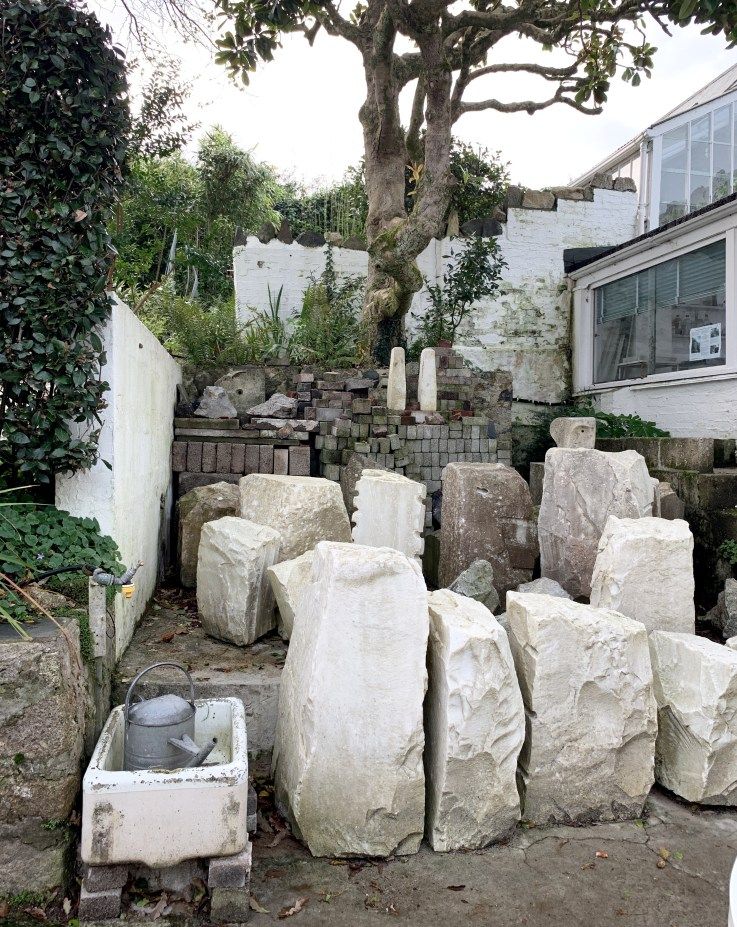
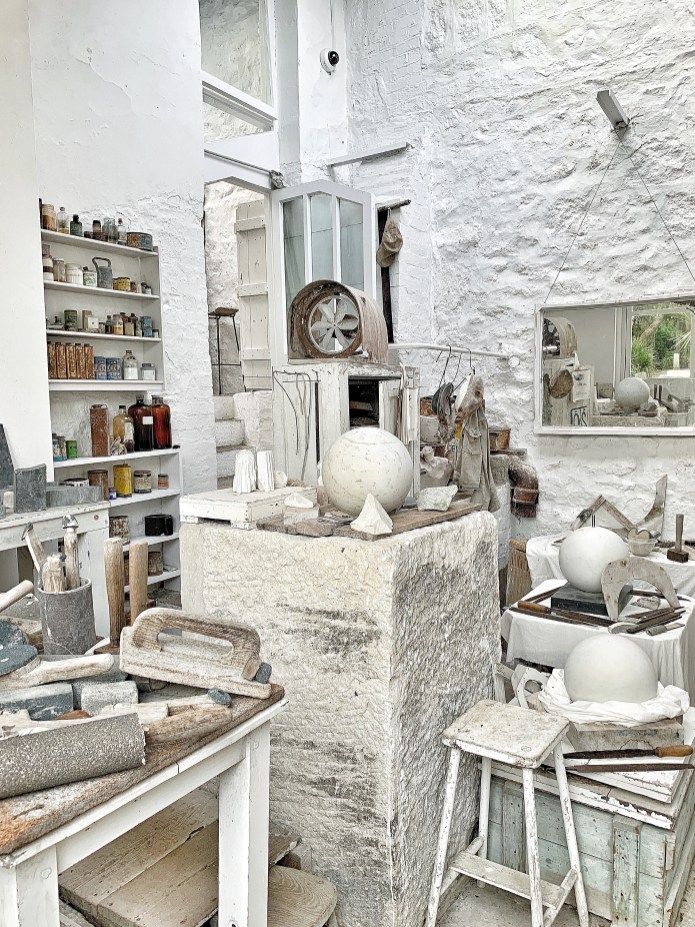
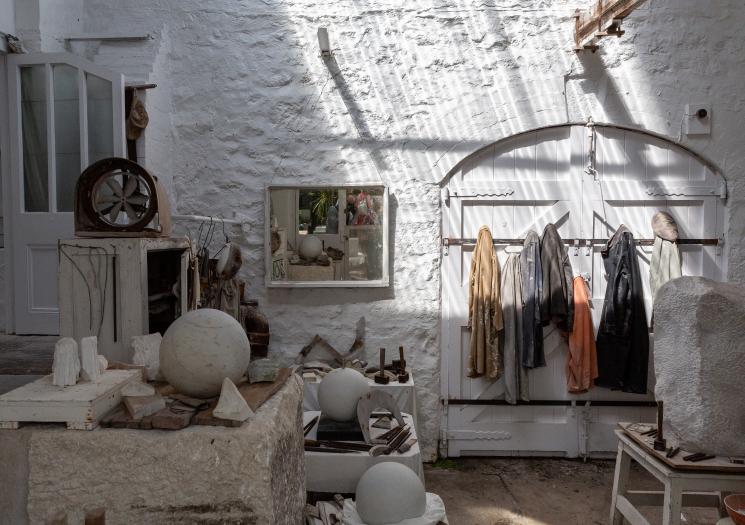
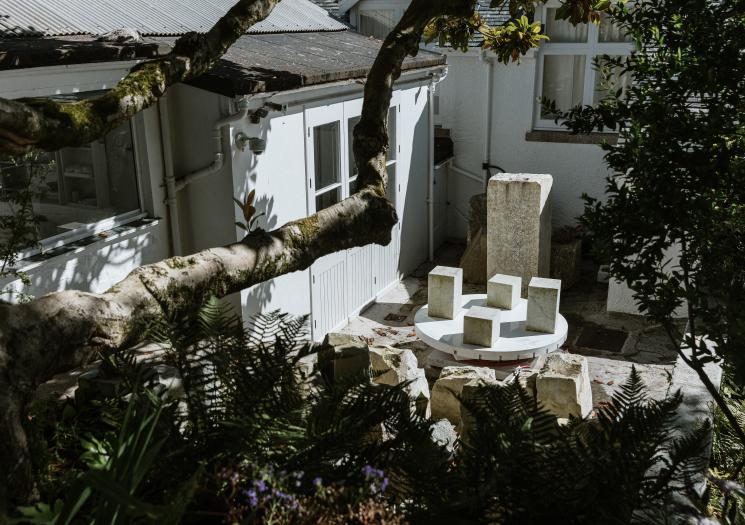
The studios remain much as they were when she died in an accidental fire in 1975 at age 72. Her stone carving studio is still filled with tools, paint pots, half-finished sculptures, and personal items. Following her wish to establish her home and studio as a museum, the property was opened by her family in 1976 and given to the Tate Gallery in 1980. The Barbara Hepworth Museum and Sculpture Garden now houses the largest collection of her works on permanent display, with over 30 sculptures in bronze, stone, and wood positioned throughout the garden just as she placed them. Her living room remains furnished as she left it, offering an intimate glimpse into how one of the few female artists of her generation to achieve international recognition lived and worked.