KAUFMANN HOUSE
- Richard Neutra
470 West Vista Chino, Palm Springs, California, USA
The Kaufmann Desert House was built in 1946 by Austrian architect Richard Neutra for Edgar J. Kaufmann Sr., a Pittsburgh department store magnate. The house was intended as a winter retreat for Kaufmann and his wife Liliane.
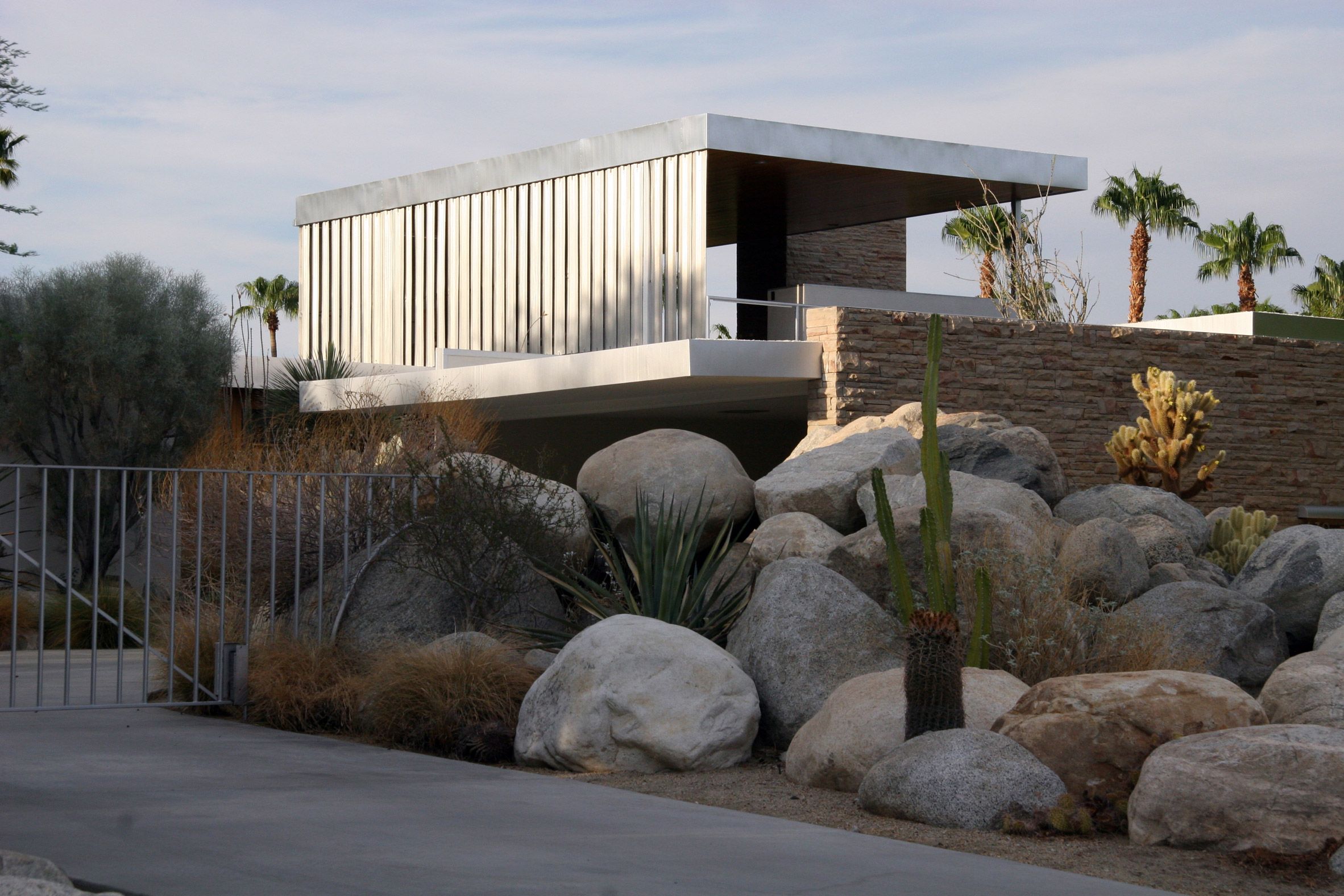
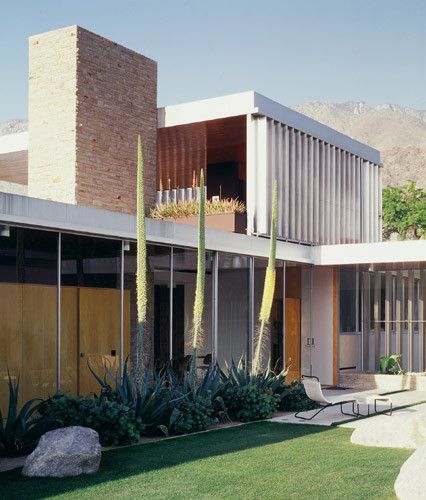
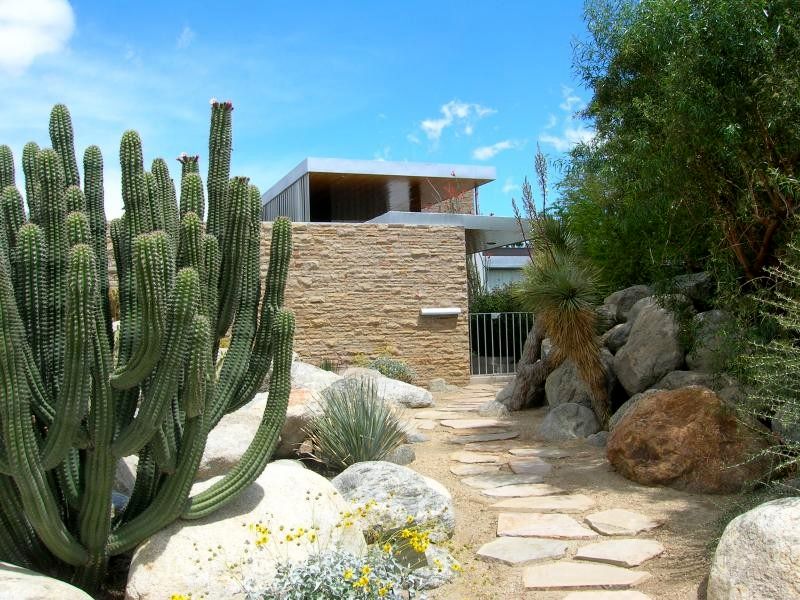
In 1935, Kaufmann had commissioned Frank Lloyd Wright to build Fallingwater, his Pennsylvania home that became one of the most iconic residences of the 20th century. A decade later, when Kaufmann wanted a desert retreat, his son hoped Wright would design it as well. However, Kaufmann felt Neutra could better achieve the lighter feeling he wanted. Wright was furious and even sent drawings to Liliane attempting to change her mind, but she politely declined.
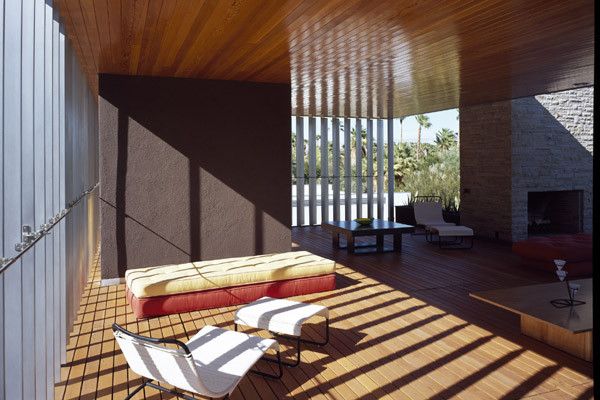
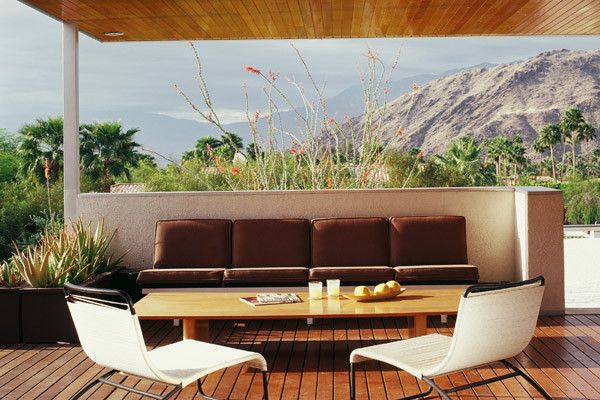
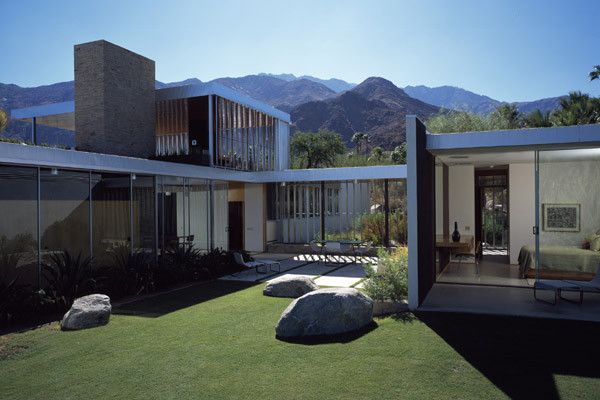
Located at 470 West Vista Chino in Palm Springs, the modernist house is tailored to the California desert climate. The 3,162 square foot residence is designed in a cross shape, with an airy living and dining room facing east to west to maximize sunrise and sunset views. Four wings branch outward, containing the kitchen, master bedroom, and four guest bedrooms.
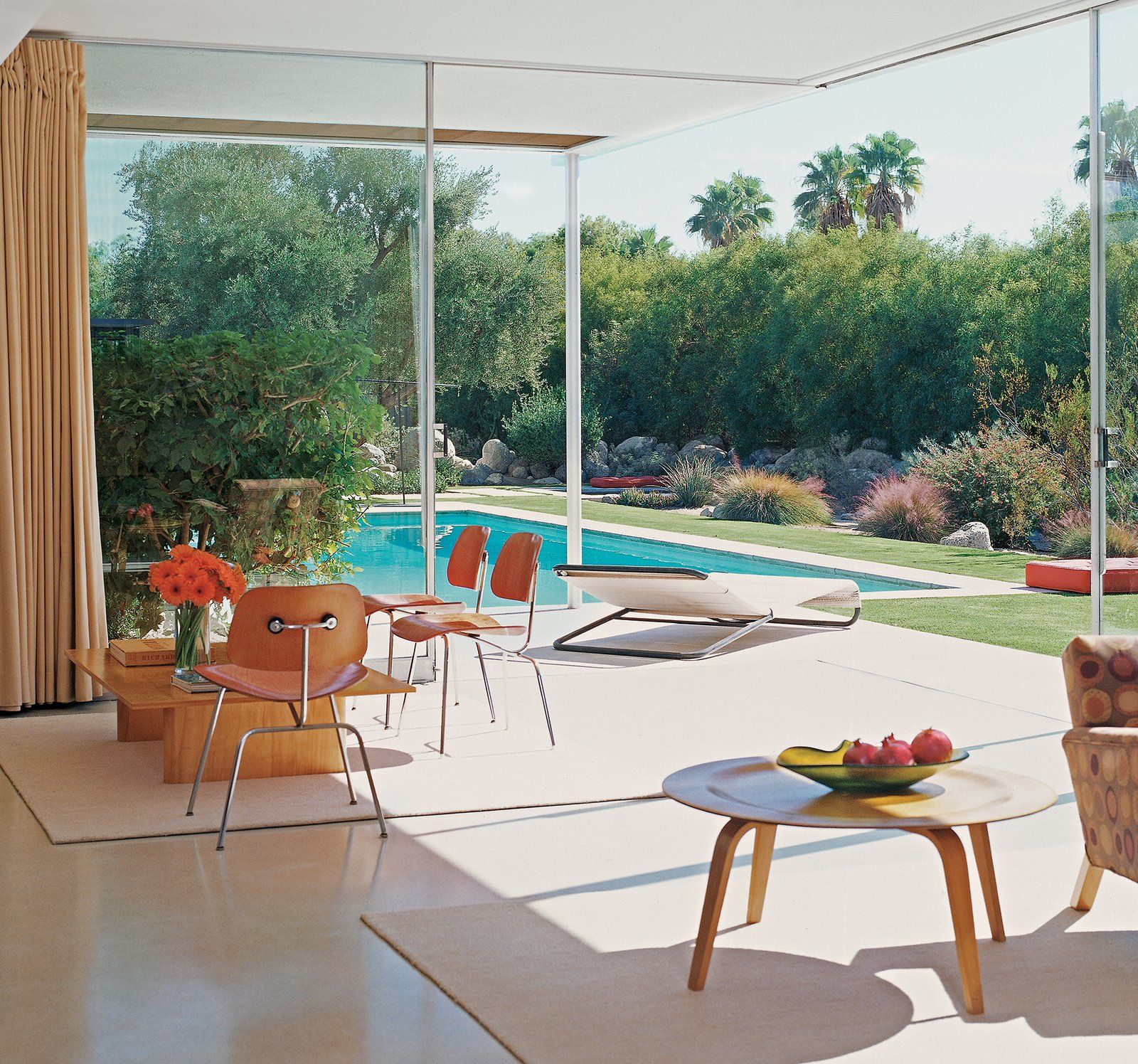
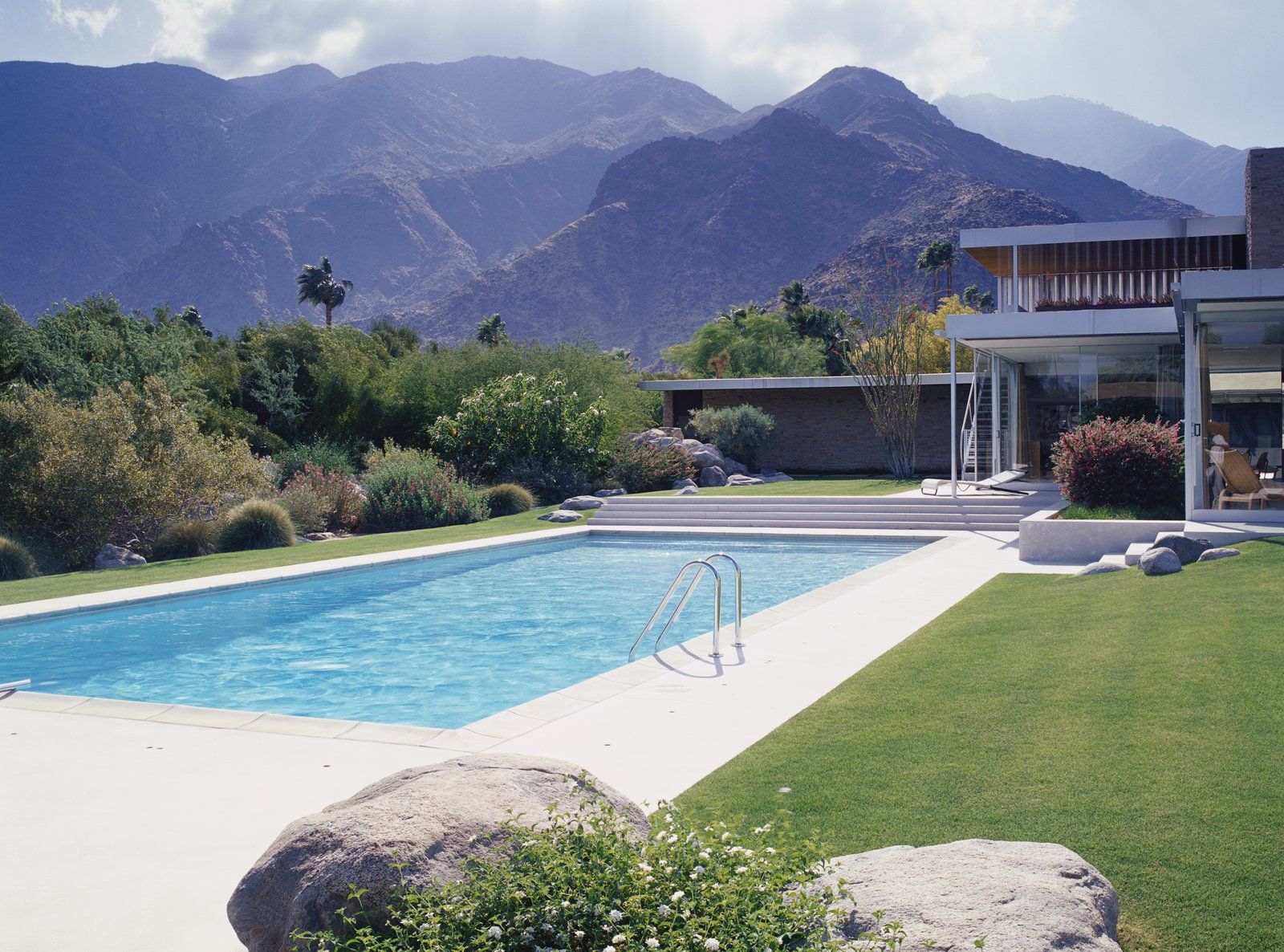
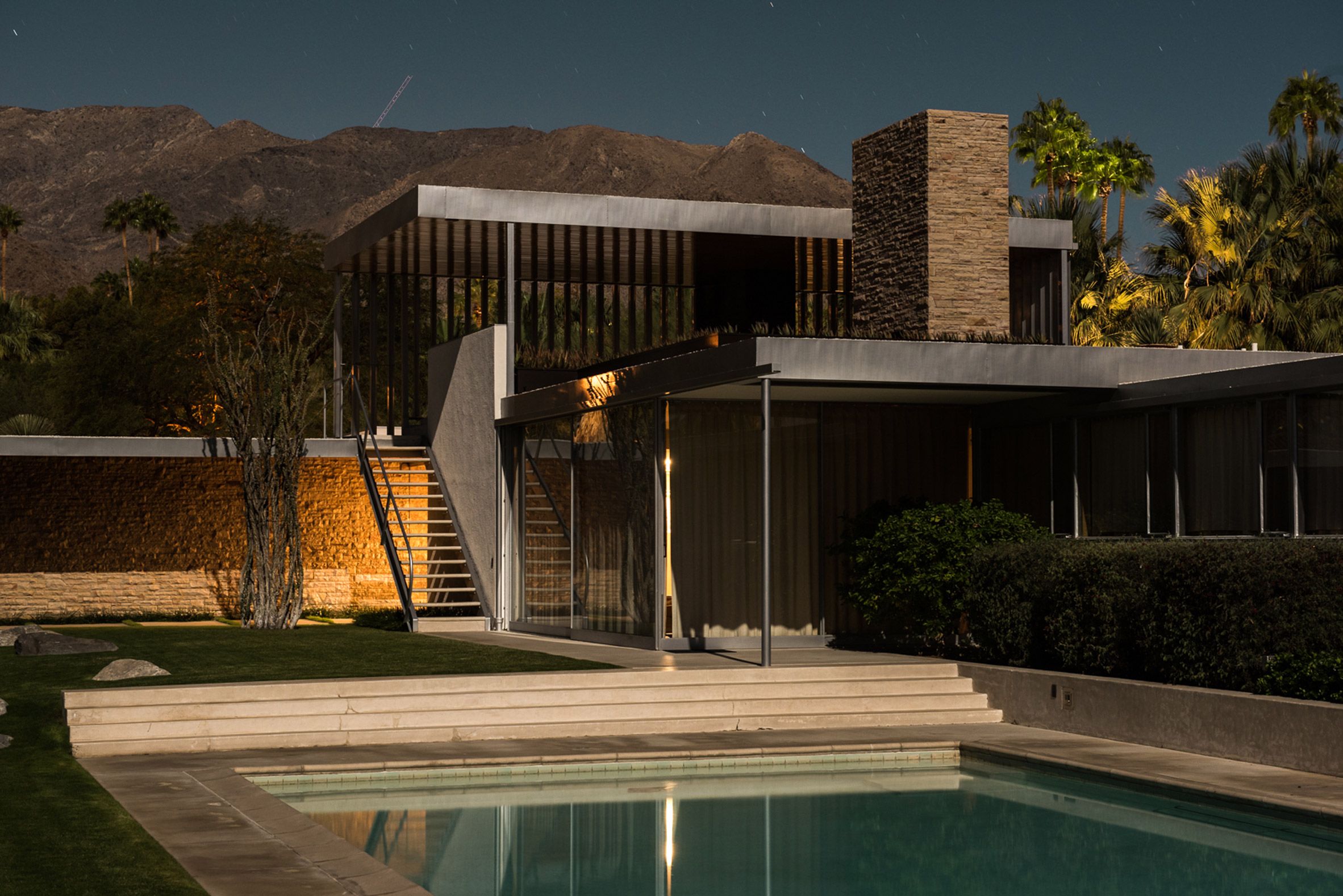
The design features a flat extending roof that provides shade and cooling during extreme heat, with metal walls that enable rooms to be closed during sandstorms. Floor-to-ceiling sliding glass walls dissolve the boundary between indoors and outdoors. The house is clad with stone quarried from Utah.
Photographer Julius Shulman's iconic 1947 twilight photograph of the house, featuring Liliane reclining by the pool, made the residence instantly famous.
After Kaufmann died in 1955, the house had several celebrity owners, including singer Barry Manilow. In 1992, Brent Harris and Beth Edwards Harris purchased the deteriorating home and undertook a meticulous restoration with architects Leo Marmol and Ron Radziner. They had a long closed Utah quarry section reopened to mine matching stone and purchased adjoining plots to restore the desert buffer Neutra had envisioned.
The house is designated a Class 1 Historic Site by Palm Springs City Council. It remains privately owned and has never been open to regular public tours, though occasional garden tours during Modernism Week offer glimpses of this architectural landmark.